

-
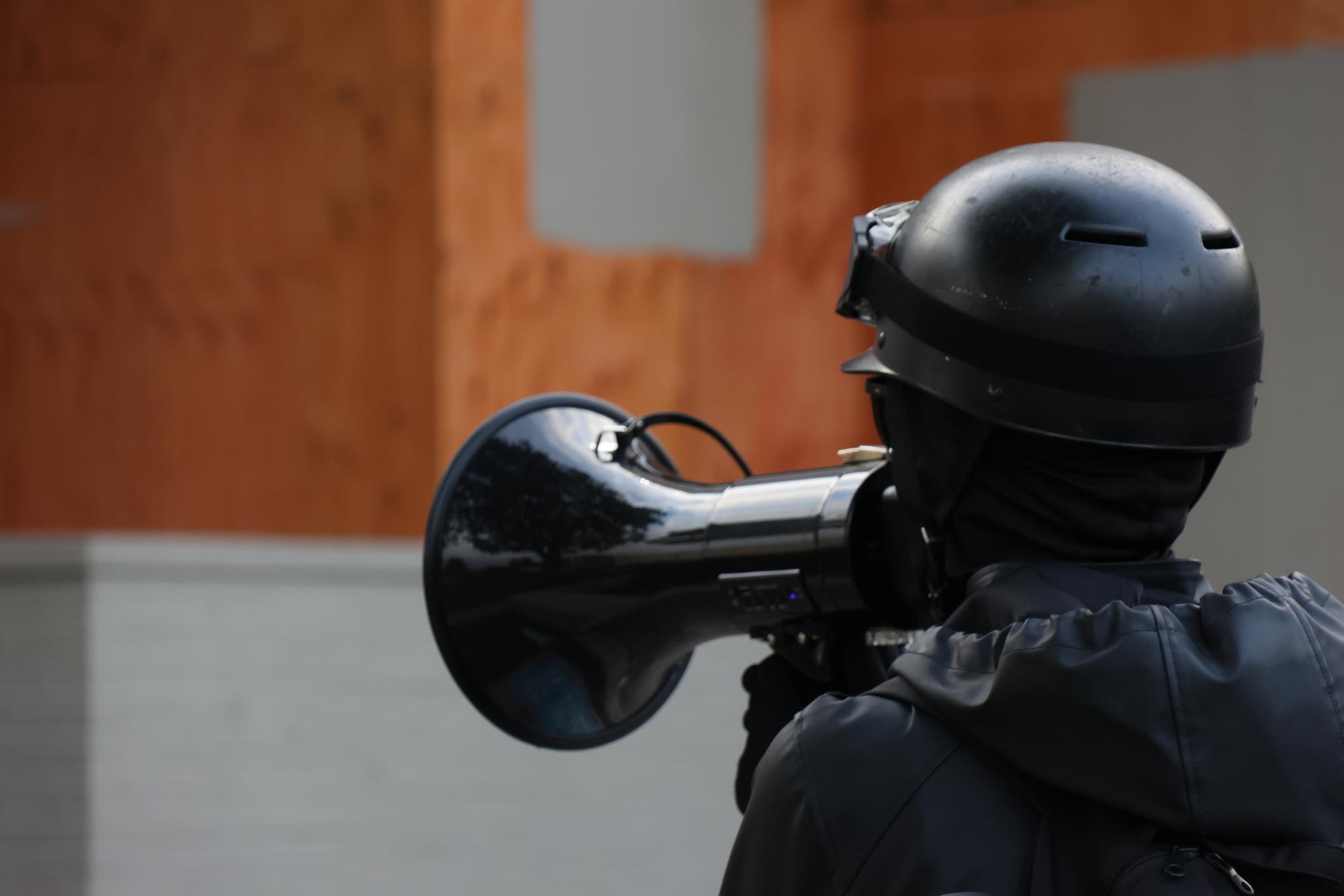
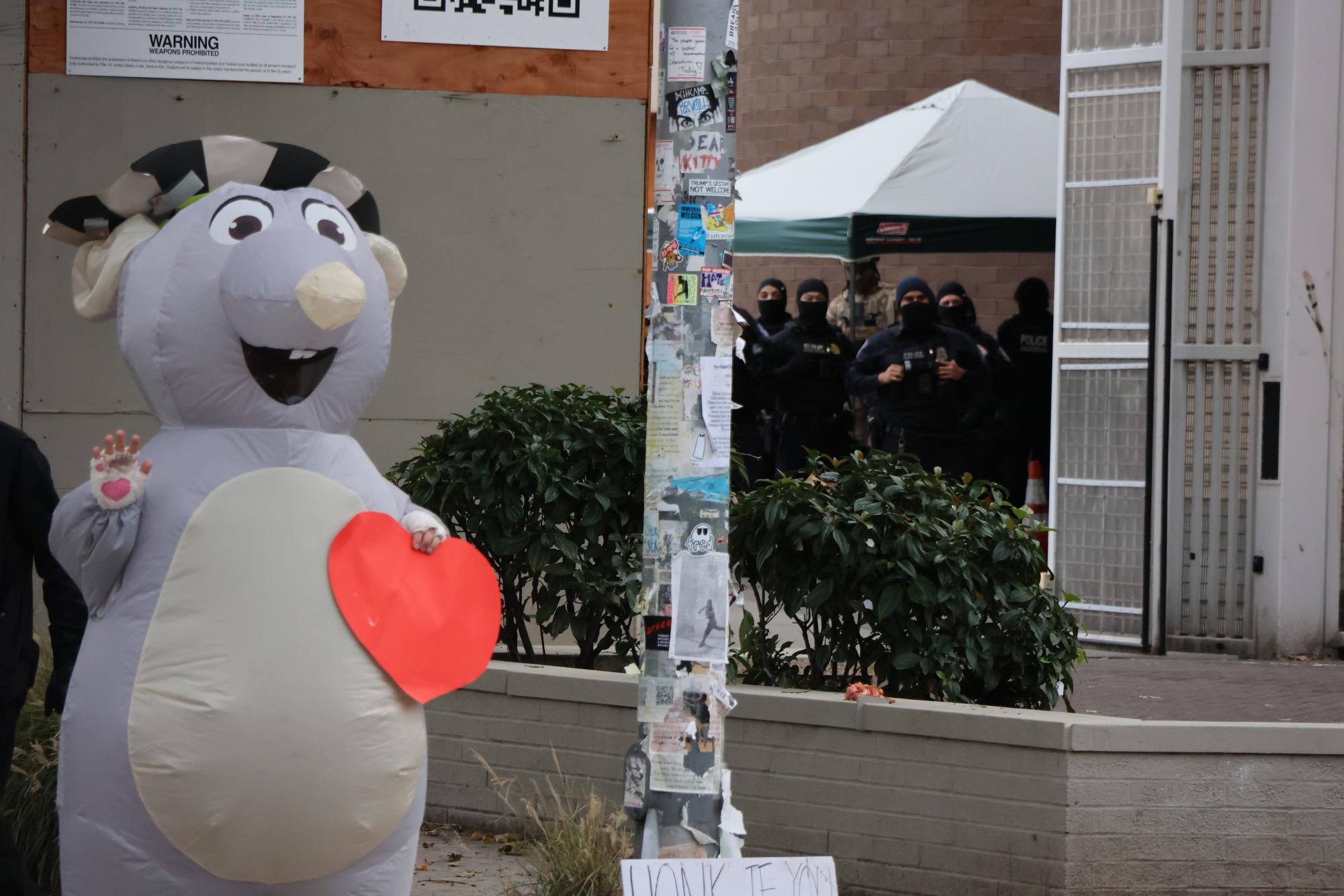
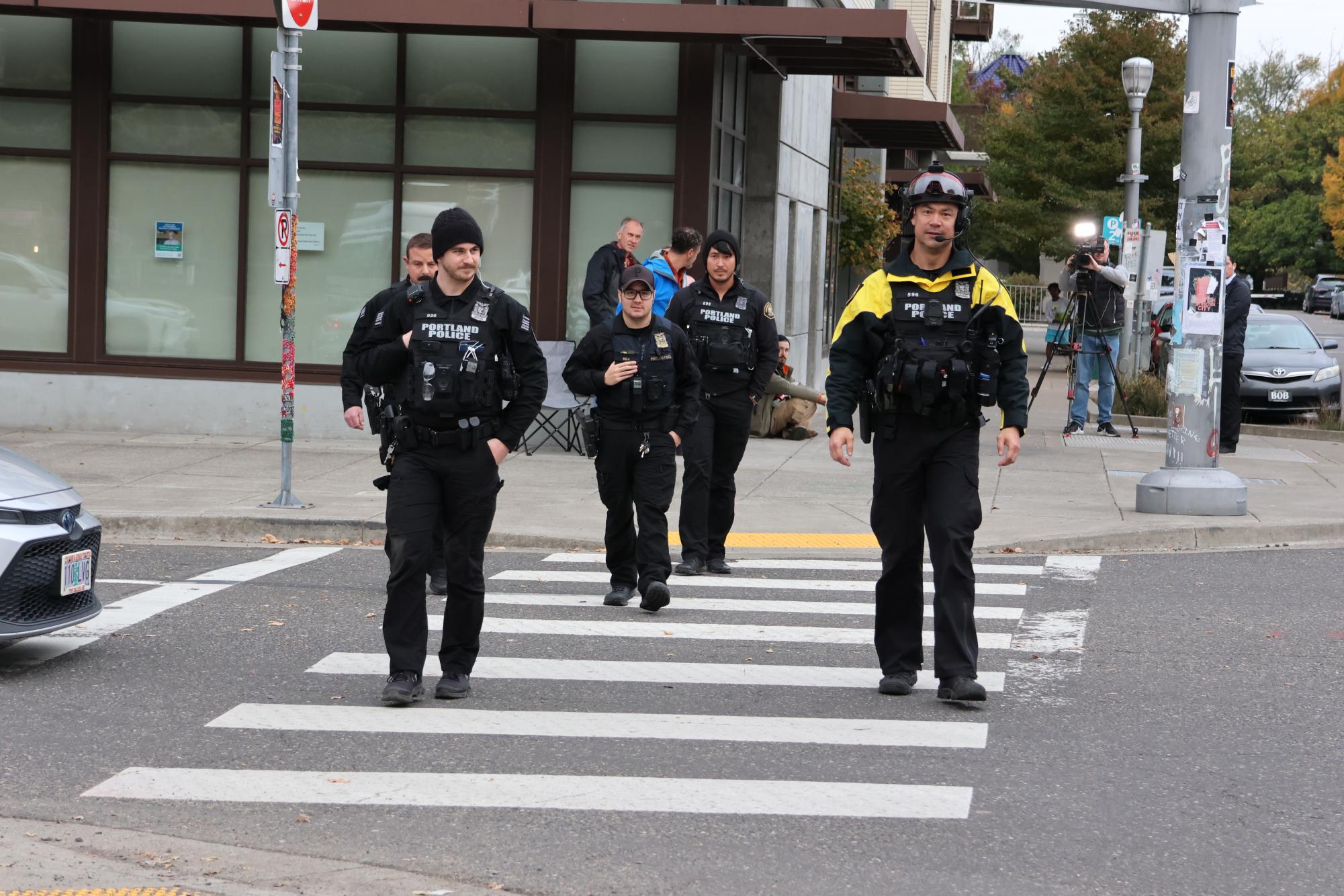
Protestors have maintained a presence outside the U.S. Immigration and Customs Enforcement (ICE) building in Portland’s South Waterfront for months, bringing signs, flags, and supplies for what has become a sustained demonstration.
-
Protestors have maintained a presence outside the U.S. Immigration and Customs Enforcement (ICE) building in Portland’s South Waterfront for months, bringing signs, flags, and supplies for what has become a sustained demonstration.
-
Protestors have maintained a presence outside the U.S. Immigration and Customs Enforcement (ICE) building in Portland’s South Waterfront for months, bringing signs, flags, and supplies for what has become a sustained demonstration.
-
Protestors have maintained a presence outside the U.S. Immigration and Customs Enforcement (ICE) building in Portland’s South Waterfront for months, bringing signs, flags, and supplies for what has become a sustained demonstration.
-
Protestors have maintained a presence outside the U.S. Immigration and Customs Enforcement (ICE) building in Portland’s South Waterfront for months, bringing signs, flags, and supplies for what has become a sustained demonstration.
-
Protestors have maintained a presence outside the U.S. Immigration and Customs Enforcement (ICE) building in Portland’s South Waterfront for months, bringing signs, flags, and supplies for what has become a sustained demonstration.
-
Protestors have maintained a presence outside the U.S. Immigration and Customs Enforcement (ICE) building in Portland’s South Waterfront for months, bringing signs, flags, and supplies for what has become a sustained demonstration.
-
Protestors have maintained a presence outside the U.S. Immigration and Customs Enforcement (ICE) building in Portland’s South Waterfront for months, bringing signs, flags, and supplies for what has become a sustained demonstration.
-
Protestors have maintained a presence outside the U.S. Immigration and Customs Enforcement (ICE) building in Portland’s South Waterfront for months, bringing signs, flags, and supplies for what has become a sustained demonstration.
-
Protestors have maintained a presence outside the U.S. Immigration and Customs Enforcement (ICE) building in Portland’s South Waterfront for months, bringing signs, flags, and supplies for what has become a sustained demonstration.
-
Protestors have maintained a presence outside the U.S. Immigration and Customs Enforcement (ICE) building in Portland’s South Waterfront for months, bringing signs, flags, and supplies for what has become a sustained demonstration.
-
Protestors have maintained a presence outside the U.S. Immigration and Customs Enforcement (ICE) building in Portland’s South Waterfront for months, bringing signs, flags, and supplies for what has become a sustained demonstration.
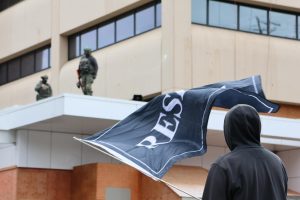
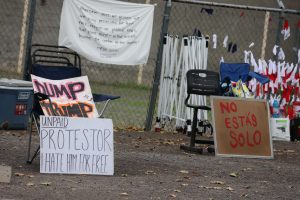
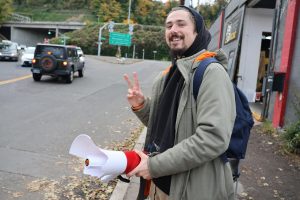
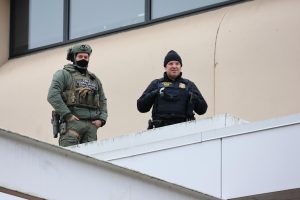
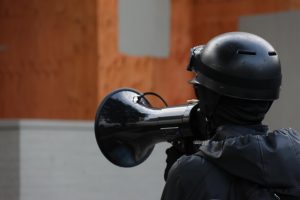
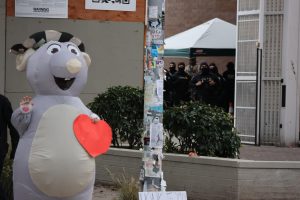
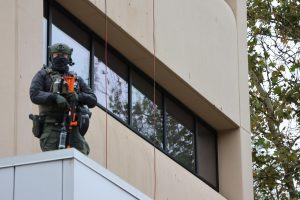
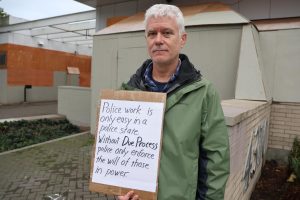
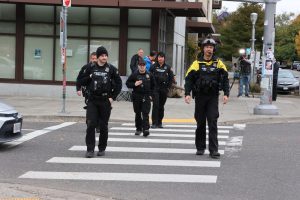
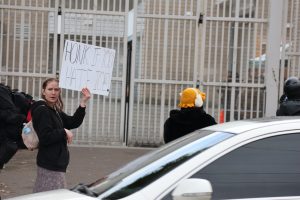
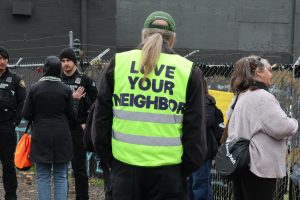
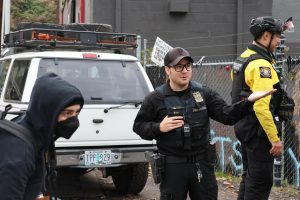
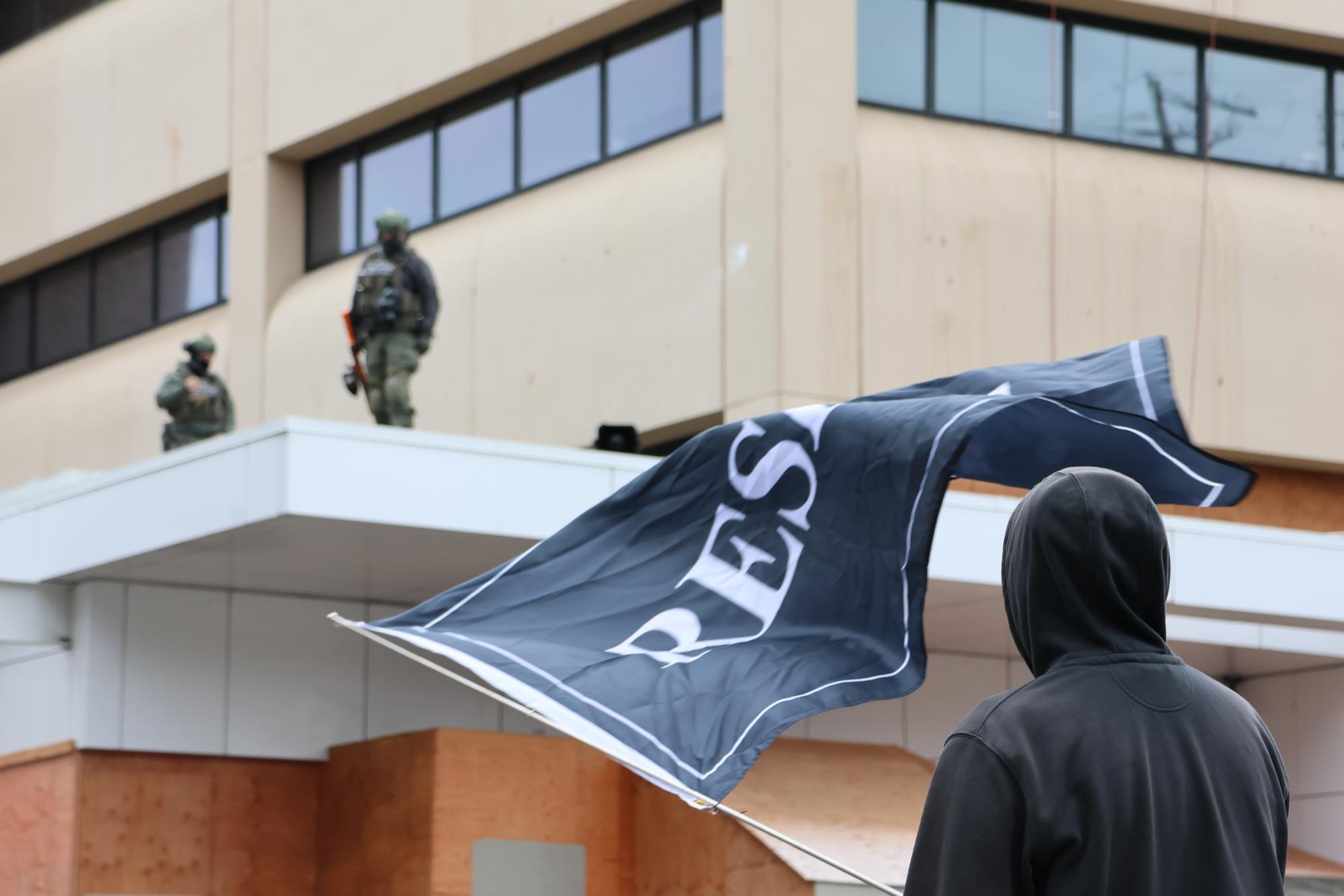
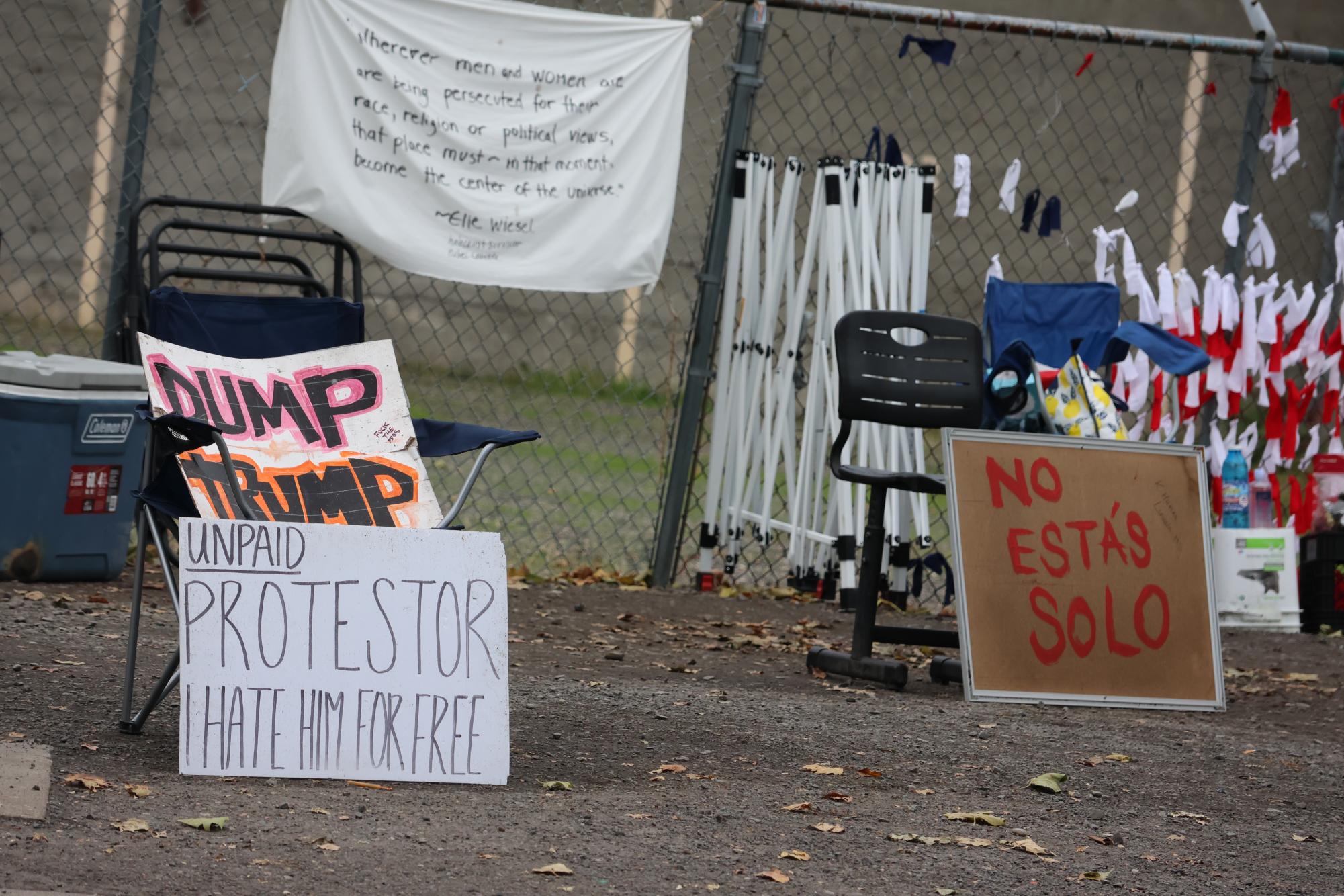
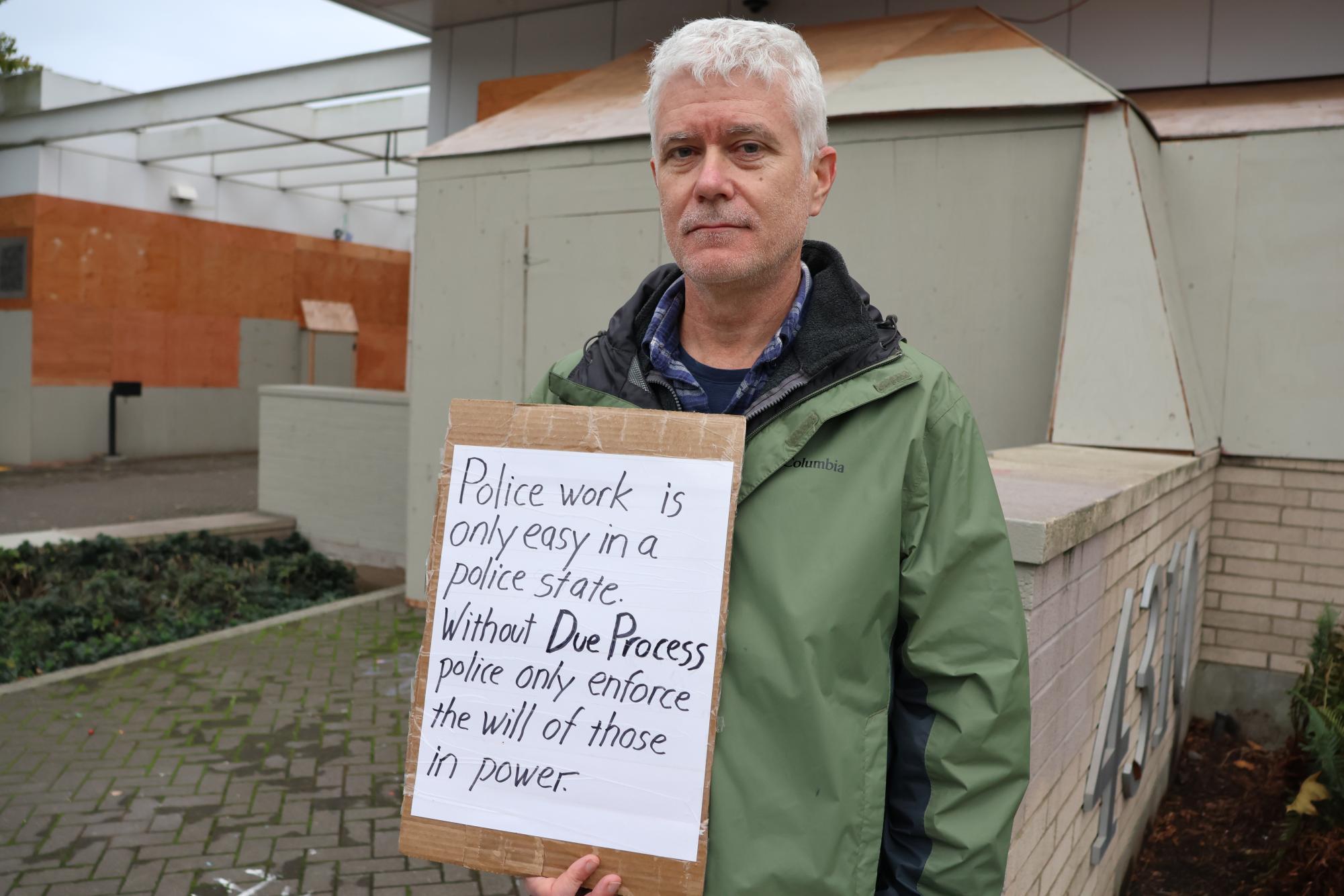
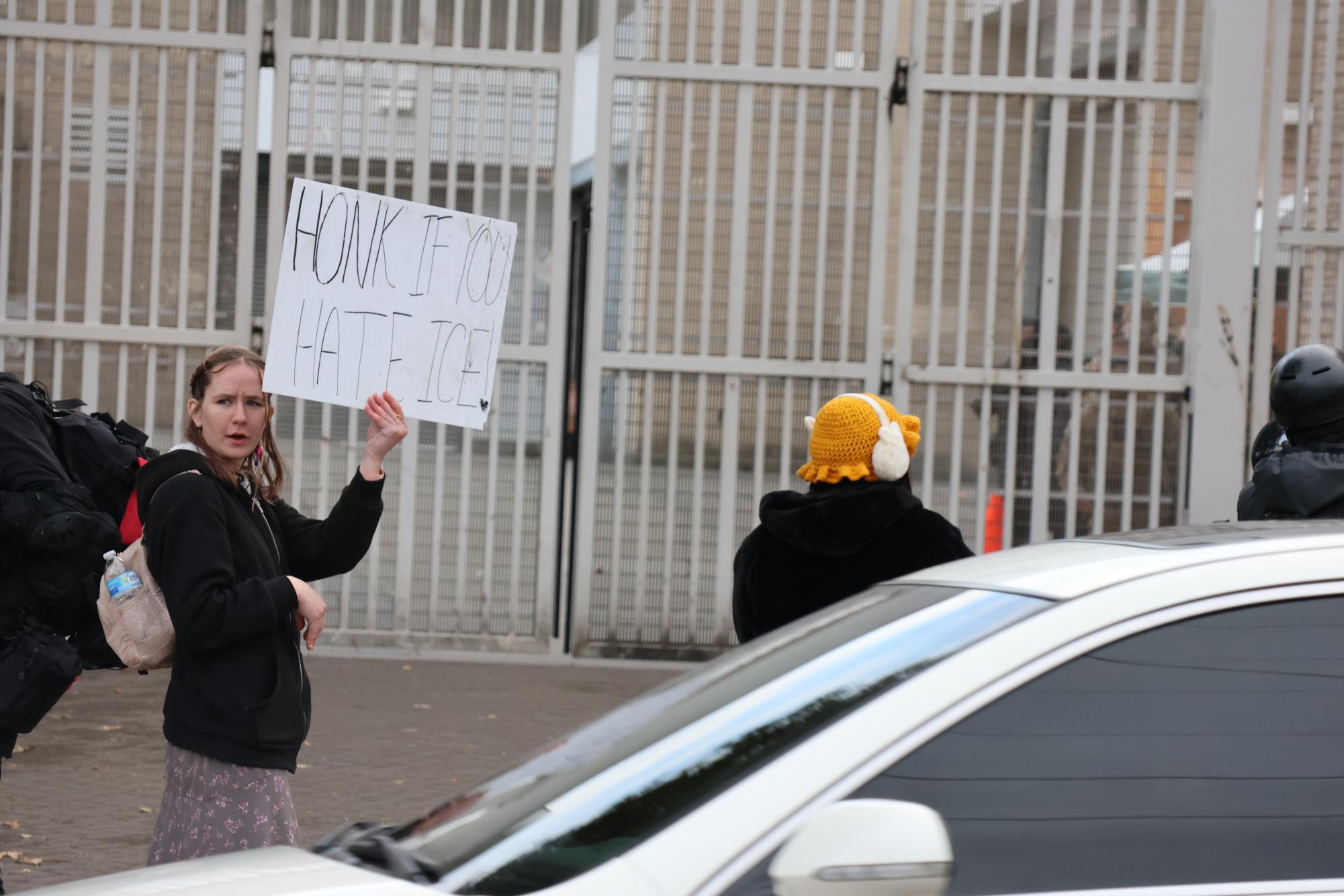
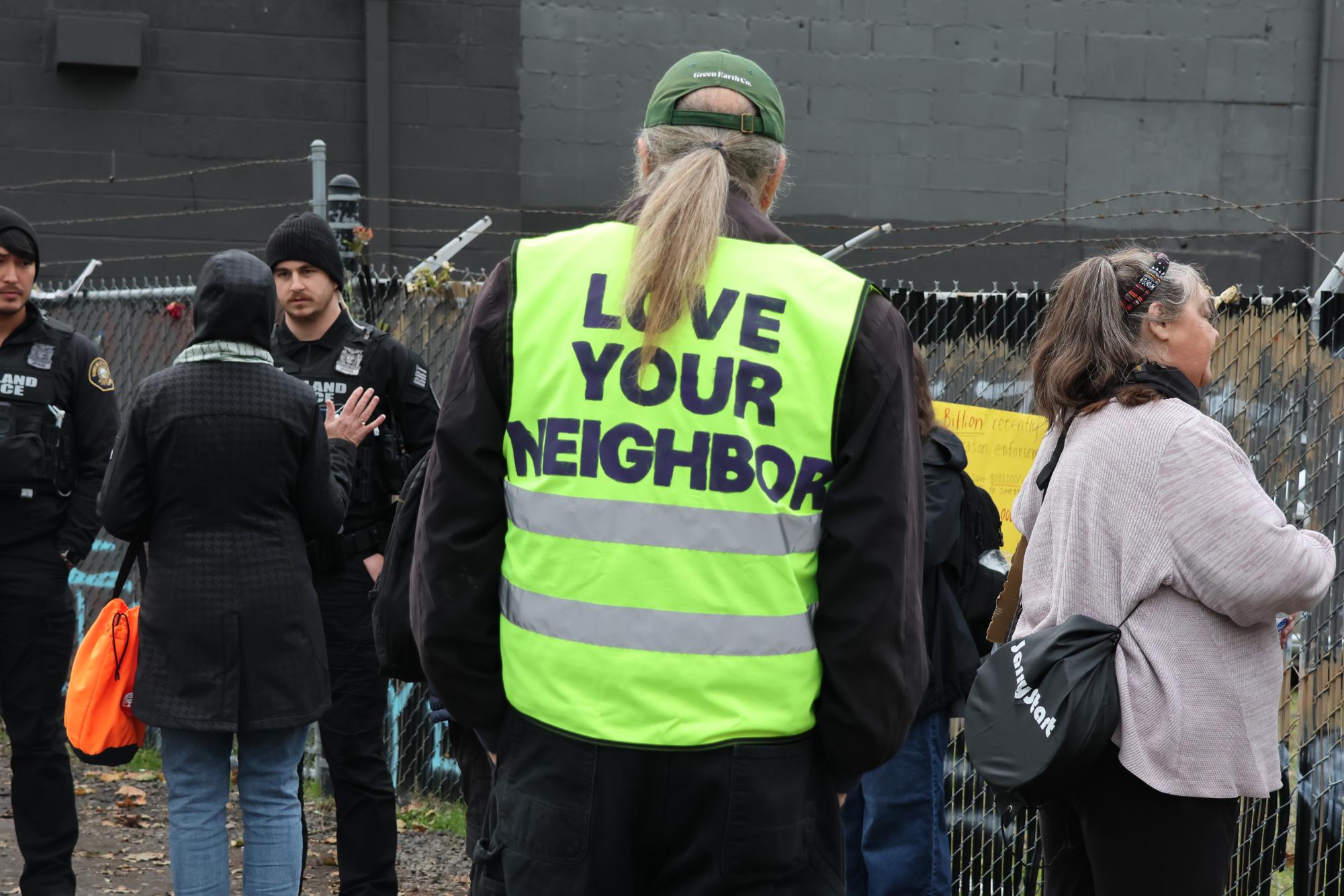
Since early June, a shifting crowd has assembled outside the U.S. Immigration and Customs Enforcement (ICE) building in Portland’s South Waterfront neighborhood. Some hold handmade signs. Others wave flags that read “RESIST.” They arrived after several asylum-seekers were detained at the building’s doors, and they’ve been coming back ever since.
Their numbers have fluctuated — swelling some days and thinning others, after city sweeps scattered their encampments.
But the protests haven’t stopped.
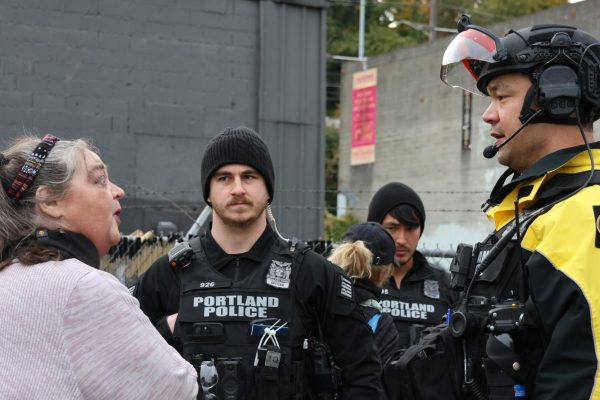
The vast majority of the time, these demonstrations have remained peaceful, with infrequent instances of unrest normally starting after dark. But in late September, President Donald Trump’s comments declaring Portland a “war zone” and threatening to send in the national guard thrust the city into the national spotlight, even as his efforts to deploy these troops have been repeatedly blocked in court.
“We’re kind of a sleepy little town in the Northwest,” Social Studies Department Chair Mr. Alex Lanaghan said. “We don’t expect to make national news.”
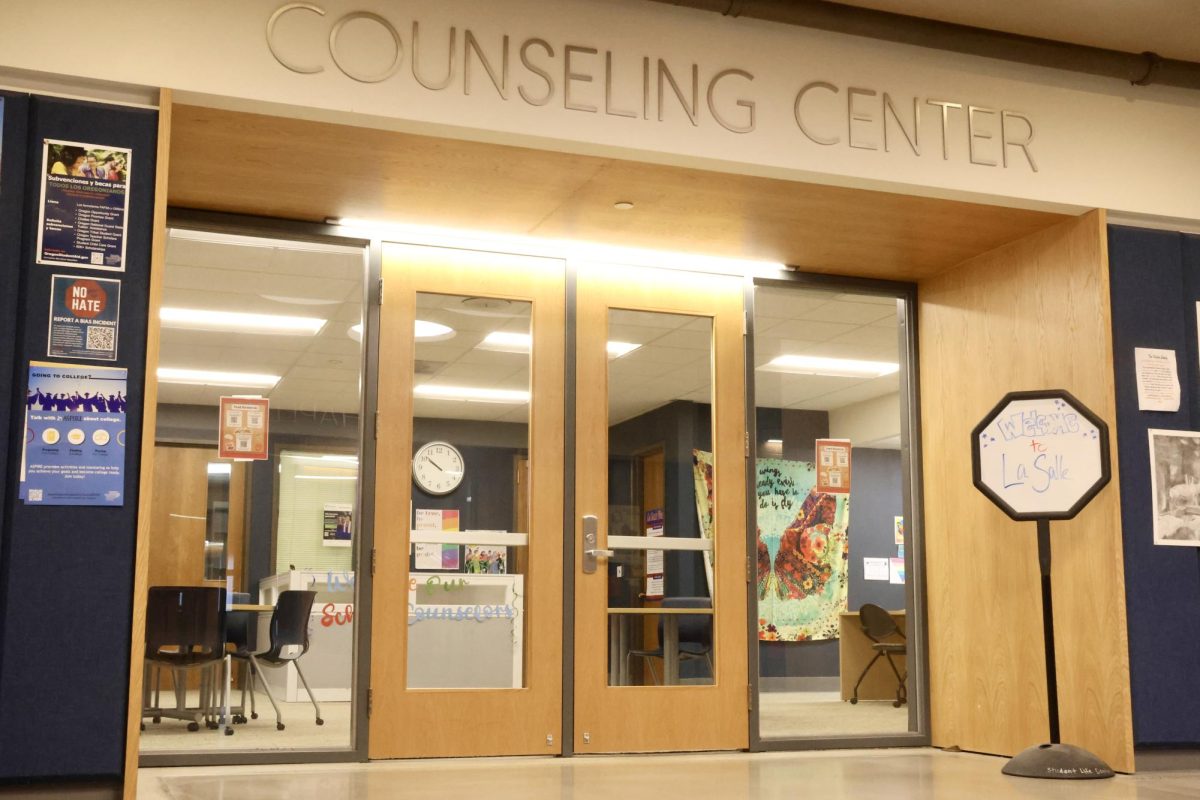
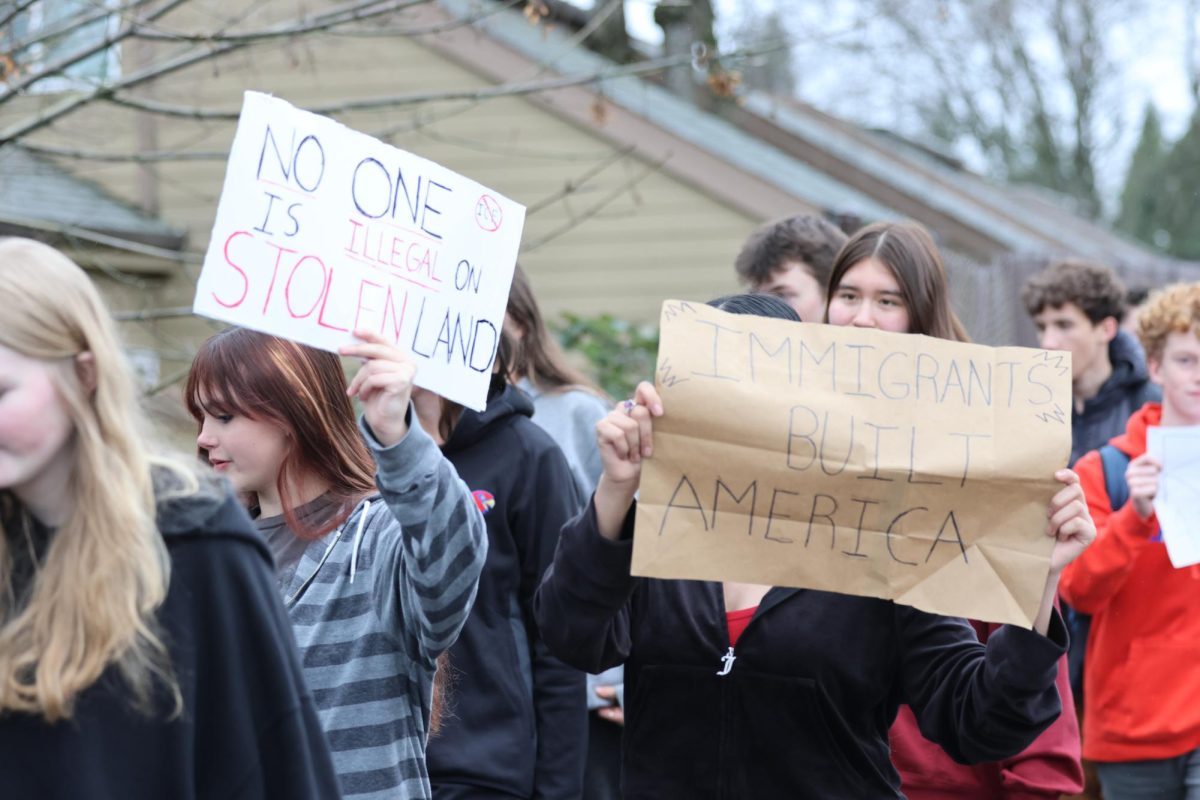
Yet the protests — and the issues driving them — have reached far beyond the South Waterfront. Throughout Portland, and within La Salle’s own community, students are grappling with what the escalating ICE presence means for them and their families.
“I feel like at some level, it is okay for protests to be happening, but sometimes you see on news, they get violent and all that,” senior Tony Luna Solis said. “There should be a point between the protest being peaceful, so the voices are heard and everything, and then it’s different when it’s violent.”
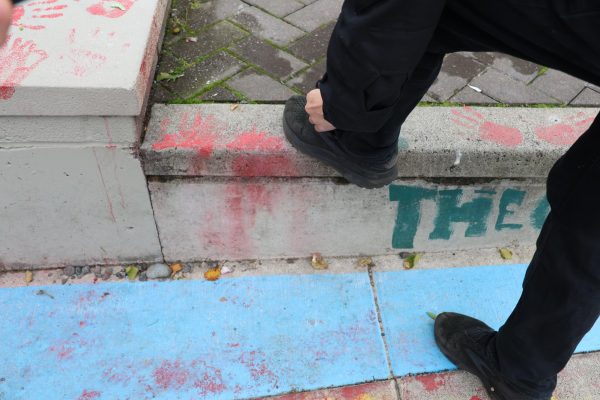
For other students, the protests are a reminder of the significance of the right to express political opinions.
“I think it’s really important that people are, especially in Portland, are okay protesting and being open about what they believe,” senior Sawyer Kerrigan said. “I think that’s really important for the whole country.”
However, for those who feel like they’re in the crosshairs of Trump’s deportation campaign, the protests represent something more personal.
“I’d certainly say that protests are very huge, because a lot of people are making it obvious that … they stand with us,” Luna Solis said.
According to many students and protesters, that solidarity has become increasingly useful as ICE raids intensify across Portland, particularly in the city’s historically diverse neighborhoods.
Some students at La Salle have watched it unfold in their own communities.
“[A family’s] door got knocked down by ICE, and they took the mom of the household who was a parent at St. Therese [School] because she was an immigrant, and they took her, no warrant, nothing,” said senior Zachary El Youssef, whose mother used to be principal at St. Therese. “My family comes from immigrants, so it’s definitely scary.”
And some members of the community have had experiences that hit even closer to home.
“My close friend, his father, was detained by ICE, and he currently still is detained,” senior Nathan Orozco said. “And also my cousins — they’re worried just to leave their household and worried about what can happen to them.”
Sophomore Yazmin Lopez-Estevez shares that unease.
“We’re kind of scared a little bit,” Lopez-Estevez, whose dad is Hispanic, said. “We have the resources to make sure he’s okay, but it’s just a little nerve-wracking that some police are now able to hold him over for stereotypes and stuff like that.”
A Supreme Court ruling in September allowed ICE officials in Los Angeles to consider language and skin color when making arrests.
For many of those protesting at the ICE building, it’s many of the same concerns — and a desire for solidarity — to which they attribute their actions.
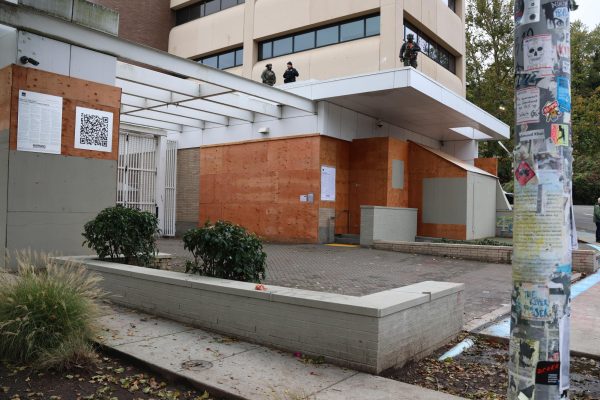
One protestor, waving a “RESIST” flag as he spoke, explained that he’s worried not for himself, but for his family.
“While I’m a straight white male, my boys are half Mexican, and I fear that one day that they could just be gathered up just because of [what happens] to be [their] skin color,” he said.
Another, holding her own handmade sign, explained why she had come. “I’m down here to be able to help people who aren’t able to fight for their own rights,” she said.
Accounts of what happens and who shoulders the blame depend heavily on who’s telling the story.
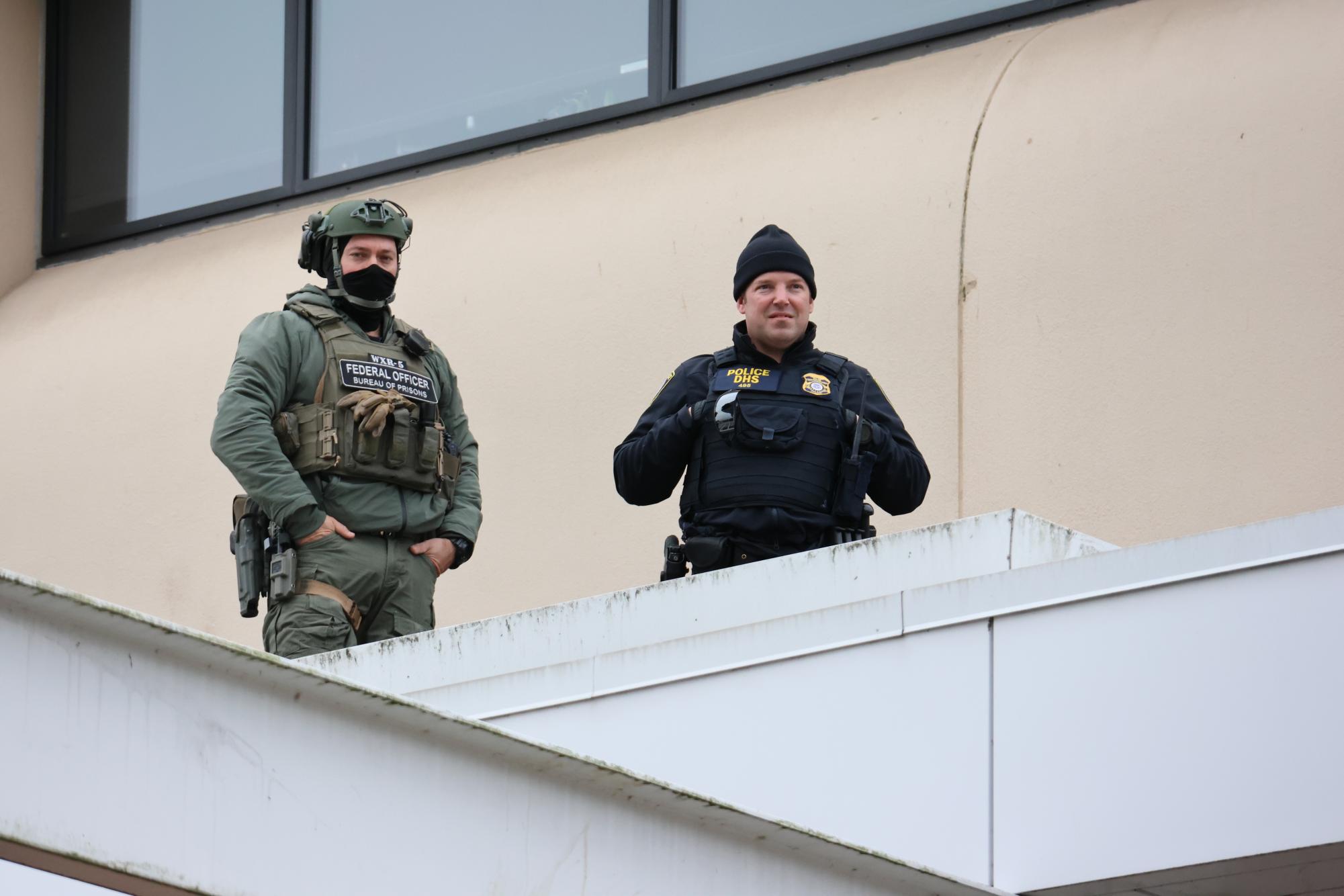
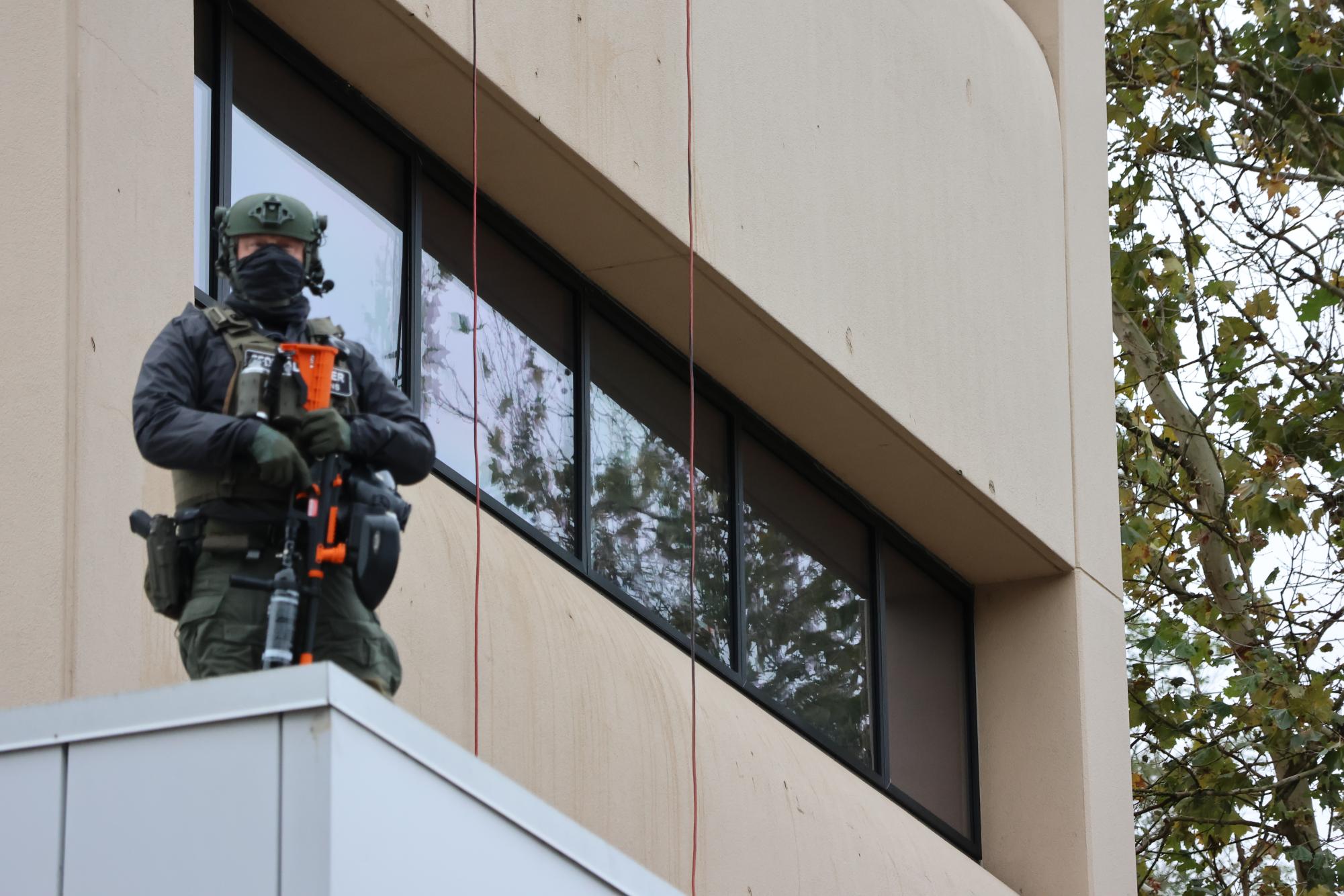
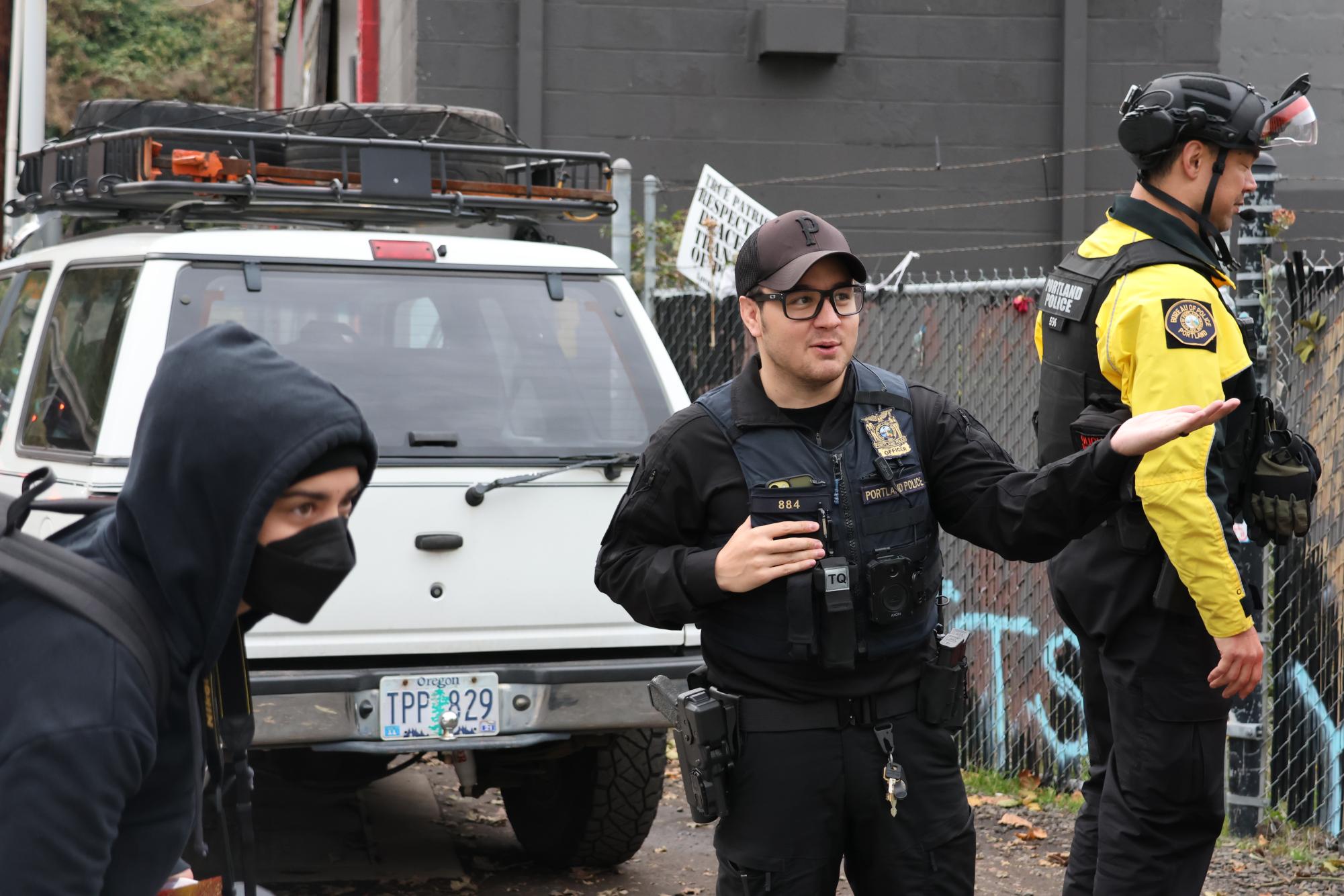
While ICE and Portland Police Bureau officials have disagreed over the level of hostility at the demonstrations, the PPB has previously declared it a riot, and federal officials have repeatedly characterized the scene as anarchic and lawless.
On the other hand, protestors are quick to cite incidents of unlawful behavior by ICE and Department of Homeland Security agents, and both the Oregon Department of Justice and demonstrators argue federal law enforcement has frequently used excessive force.
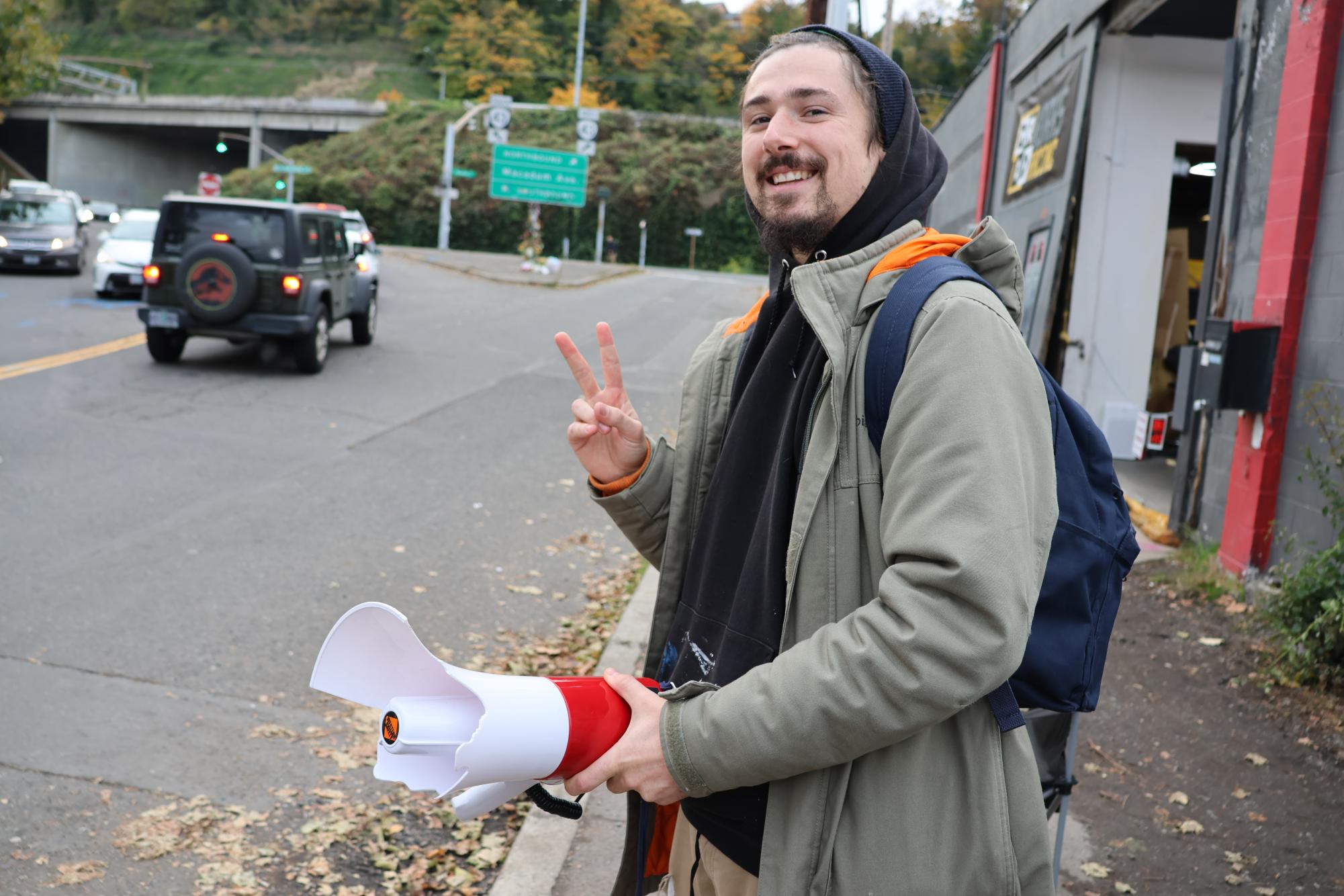
“I’ve seen the agents treat people with this superiority complex and also treat people inhumanely,” Brandon Atwood, a frequent protestor, said last week. “Just last night, there was a lady who was pushed down on the ground. She was an old lady. She literally only has one lung because she got cancer from smoking and she was wearing a gas mask.”
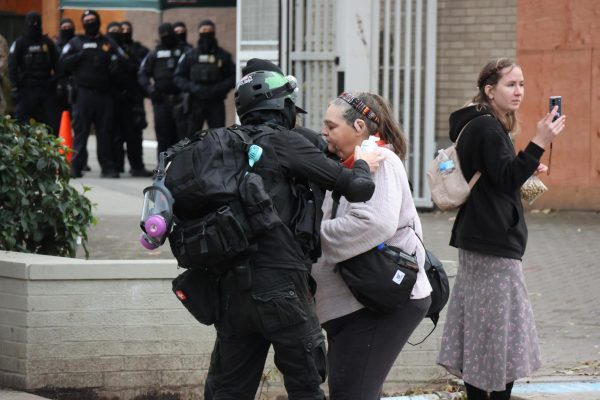
Back at La Salle, students are left to make sense of these competing narratives — trying to understand what’s happening down on the South Waterfront while navigating their own fears and the experiences of their families and communities.
For Mr. Lanaghan, that challenge of sorting through conflicting accounts has become one of the most important lessons his students can learn right now.
“It’s just a great example for us that you have to be very careful of the media that you’re consuming,” Mr. Lanaghan said. “It’s really beneficial to have multiple sources to be able to get a full picture of what’s going on.”











Chris Babinec • Nov 7, 2025 at 8:36 am
Another excellent piece by the Falconer. These issue affect all of us- directly and indirectly every day. I disagree with one commenter who stated it is “brave” for Falconer staff to cover this story and go to ICE in Portland. It is necessary and important for people of all ages to visit sites like this and to bear witness to the militarization in our communities, the people exercising their first amendment rights, and the truth and reality on the ground. So much misinformation and disinformation about Portland is in the national news. In addition, students have always been on the front lines of change in every culture. Cultivating interest and engagement in political movements is necessary. The teens of today are keenly aware they will inherit the outcomes of, and must reckon with, the moment we are in.
Avery Eldon • Nov 6, 2025 at 11:14 am
Very proud to see La Salle students reporting on the tough topics and keeping the community educated on the truth of what is going on. Love these stories. Keep up the excellent reporting.
Andrew • Nov 6, 2025 at 10:41 am
Not sure if I want the Falconer to be covering politics, but good story
Lilly Grey Rudge • Nov 6, 2025 at 9:33 am
So proud of and impressed by these journalists, this paper, and the coverage you all work so hard to achieve! Now more than ever we need journalism and I never hesitate to turn to The Falconer.
Jessica Guadagna • Nov 5, 2025 at 9:11 pm
Great article! The writers were very brave to go to the facility. Stand up for truth!