

-
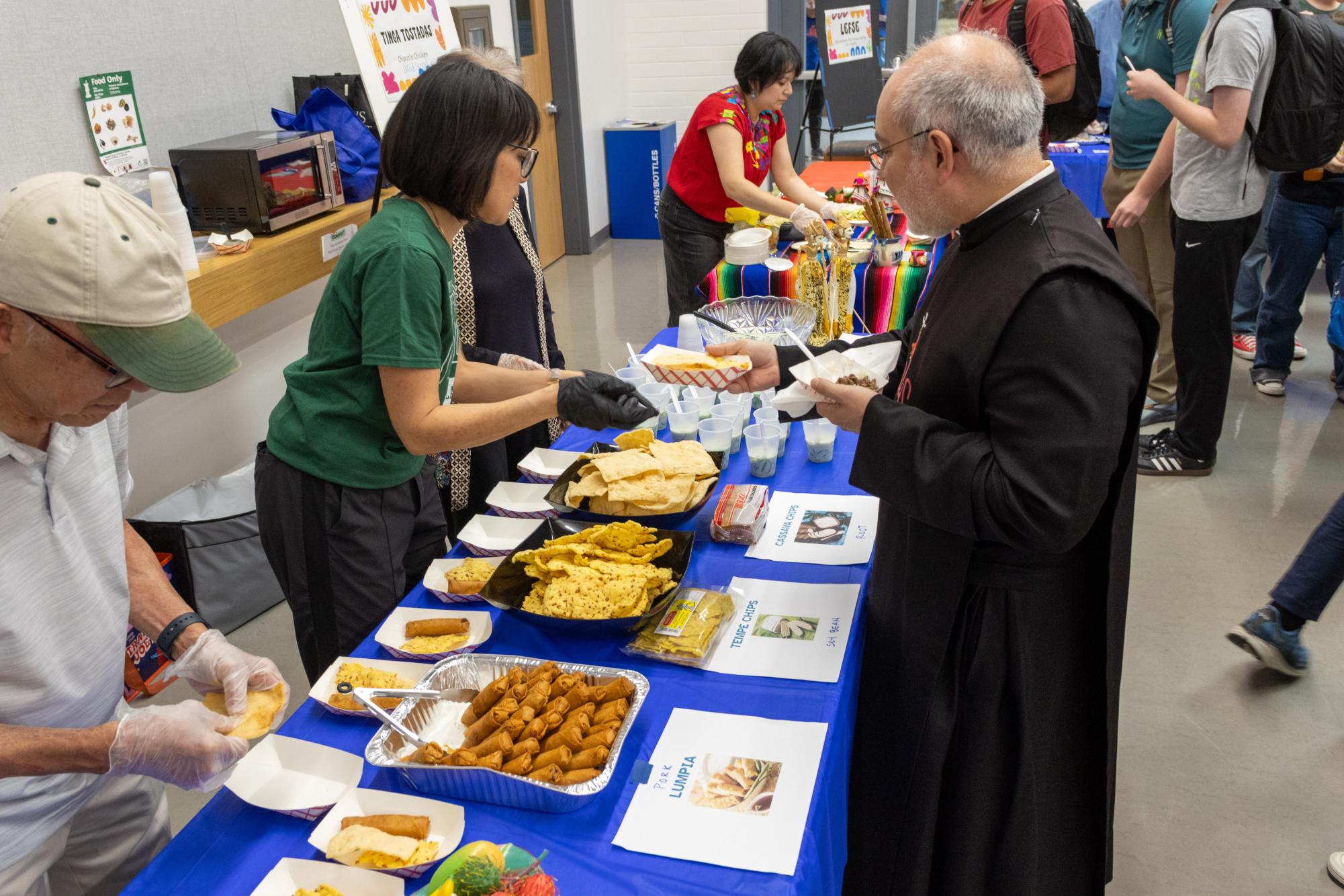
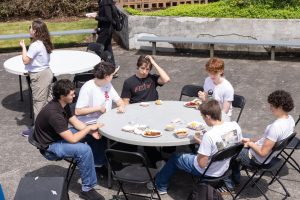
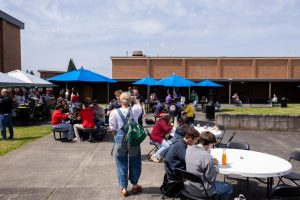
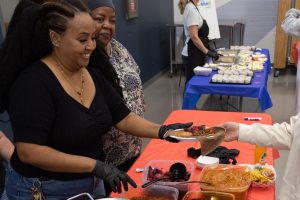
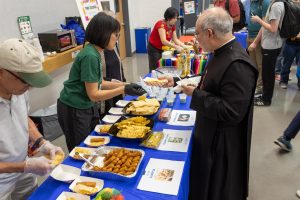
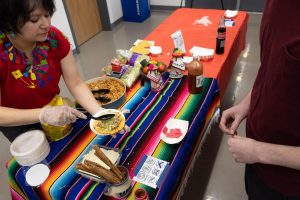
For Friday’s food fair, students received three tickets in their homeroom that allowed them to pick from around 30 different dishes offered by Lasallian families.
-
For Friday’s food fair, students received three tickets in their homeroom that allowed them to pick from around 30 different dishes offered by Lasallian families.
-
For Friday’s food fair, students received three tickets in their homeroom that allowed them to pick from around 30 different dishes offered by Lasallian families.
-
For Friday’s food fair, students received three tickets in their homeroom that allowed them to pick from around 30 different dishes offered by Lasallian families.
-
For Friday’s food fair, students received three tickets in their homeroom that allowed them to pick from around 30 different dishes offered by Lasallian families.
-
For Friday’s food fair, students received three tickets in their homeroom that allowed them to pick from around 30 different dishes offered by Lasallian families.
-
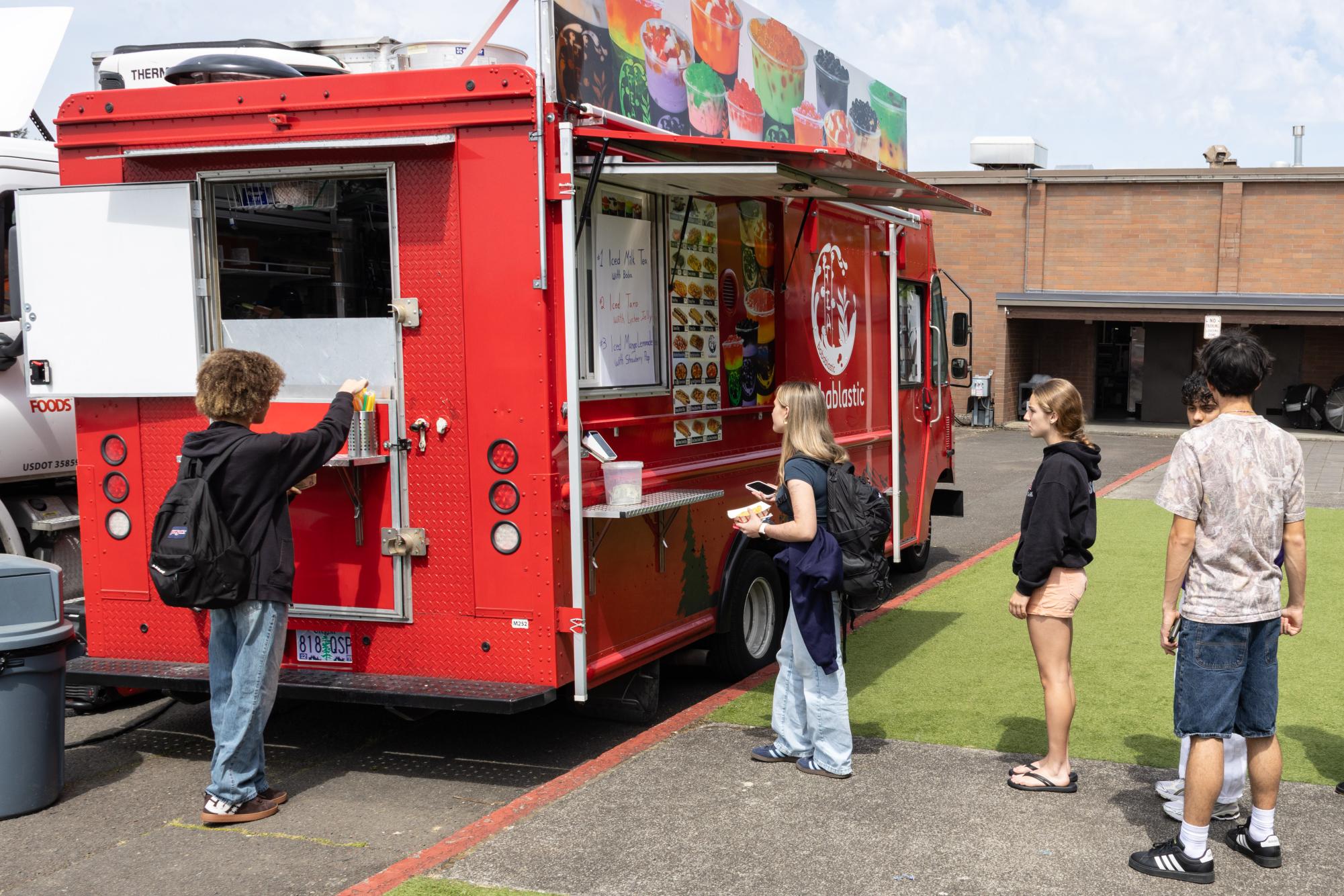
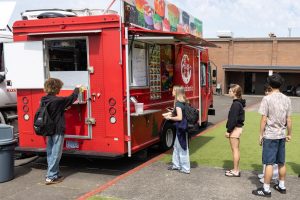
One additional aspect of the food fair was the addition of a boba truck set up behind the gym.
-
For Friday’s food fair, students received three tickets in their homeroom that allowed them to pick from around 30 different dishes offered by Lasallian families.
-
For Friday’s food fair, students received three tickets in their homeroom that allowed them to pick from around 30 different dishes offered by Lasallian families.
-
For Friday’s food fair, students received three tickets in their homeroom that allowed them to pick from around 30 different dishes offered by Lasallian families.
-
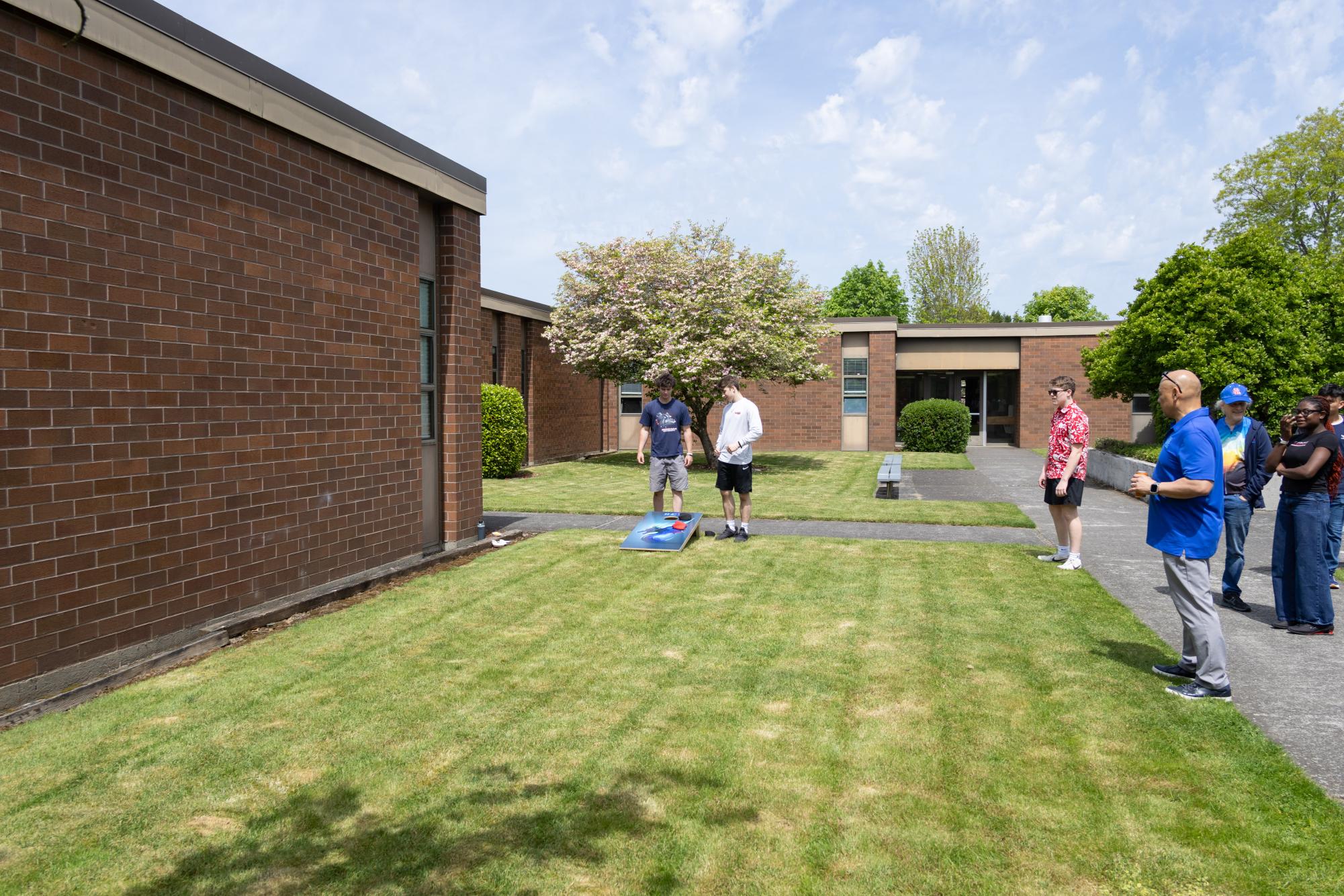
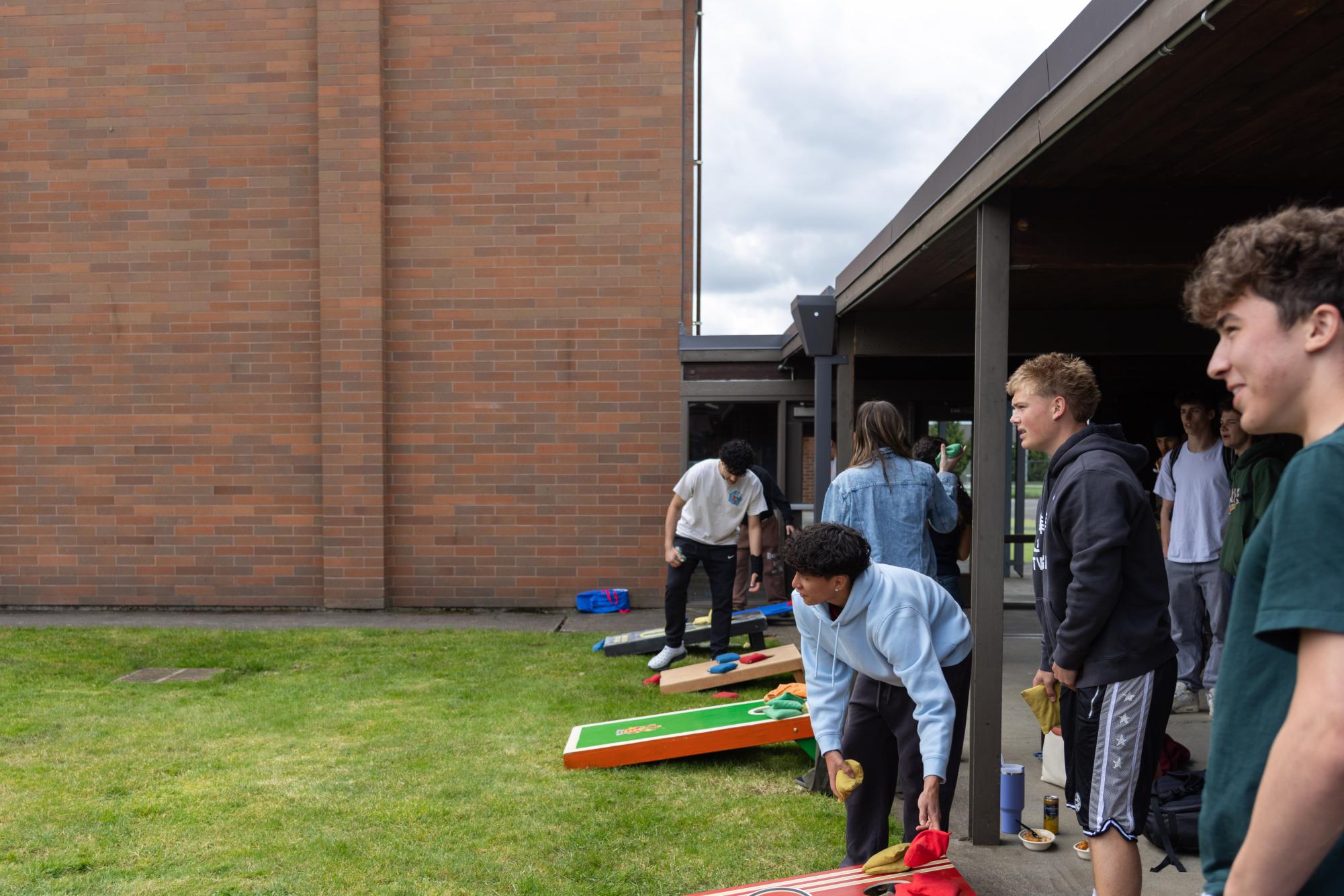
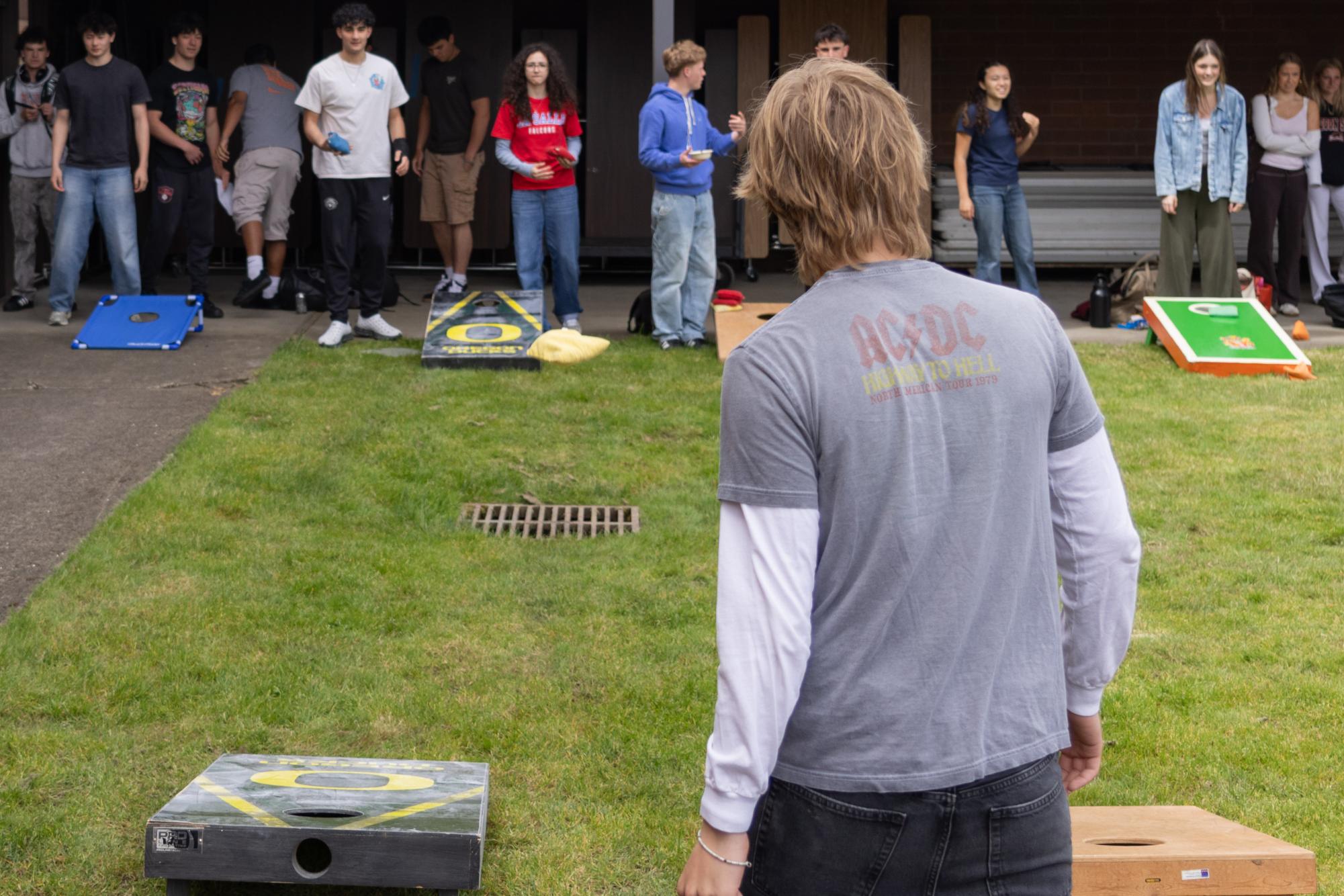
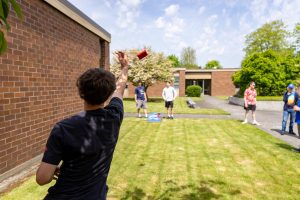
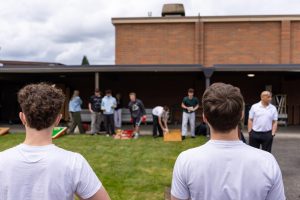
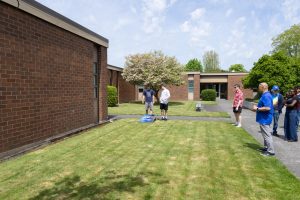
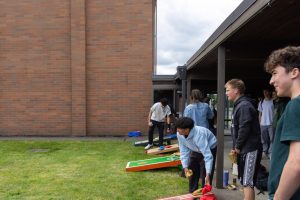
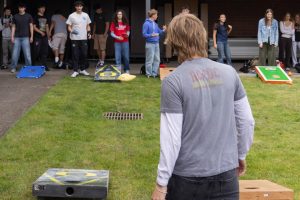
One standout event of the week was a cornhole tournament, held during one lunch throughout the week, with the final round held on Friday, May 1.
-
One standout event of the week was a cornhole tournament, held during one lunch throughout the week, with the final round held on Friday, May 1.
-
One standout event of the week was a cornhole tournament, held during one lunch throughout the week, with the final round held on Friday, May 1.
-
One standout event of the week was a cornhole tournament, held during one lunch throughout the week, with the final round held on Friday, May 1.
-
One standout event of the week was a cornhole tournament, held during one lunch throughout the week, with the final round held on Friday, May 1.
-
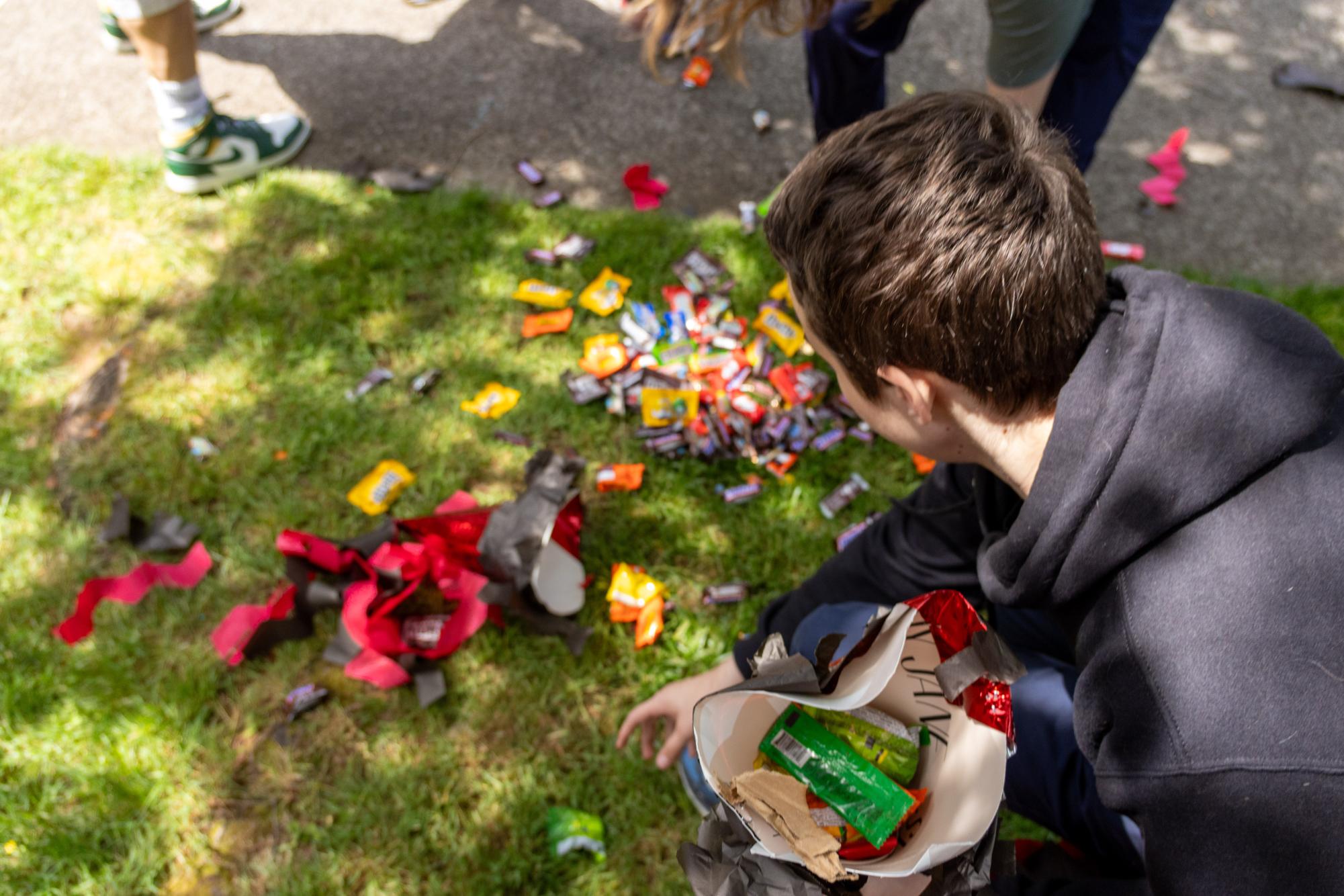
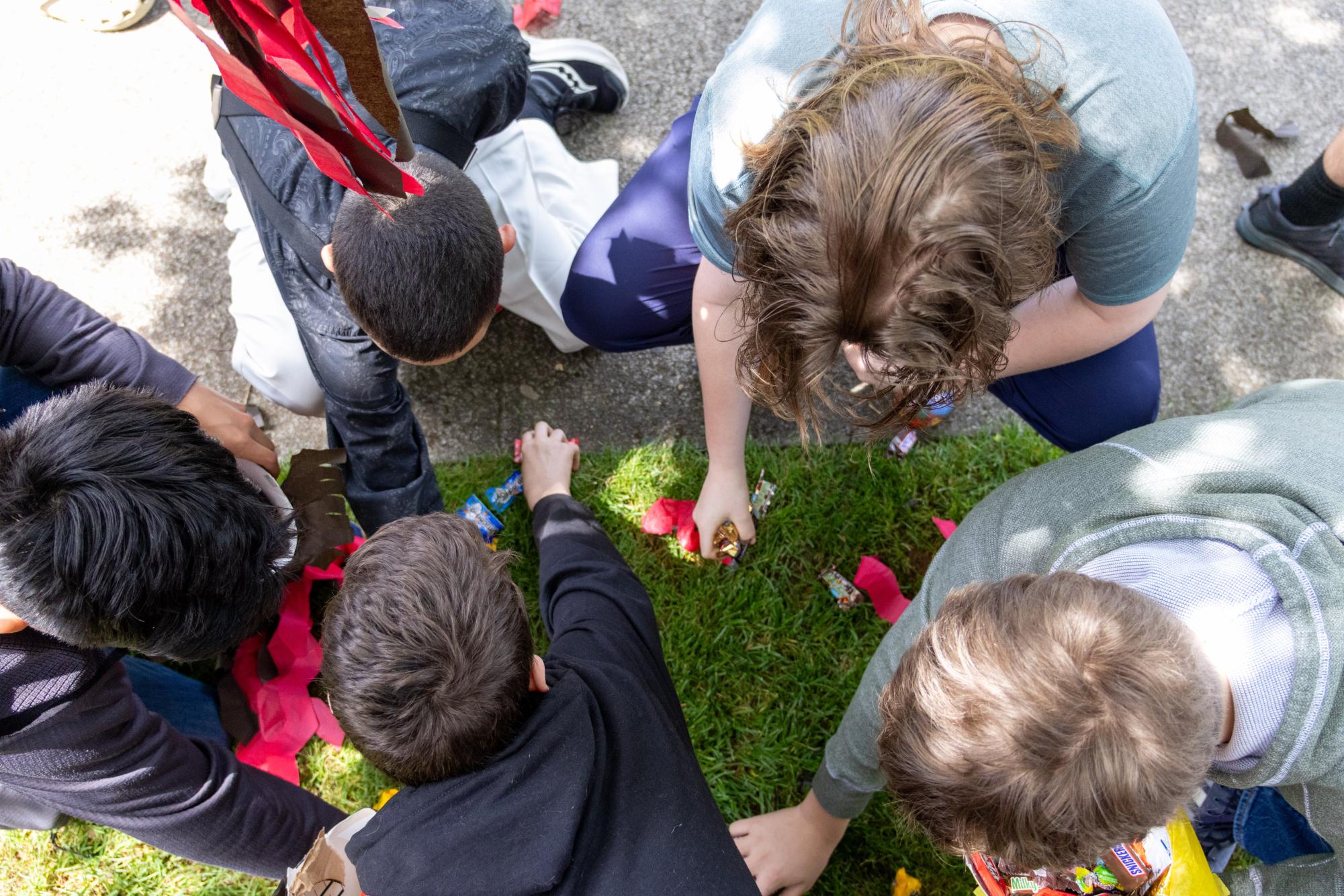
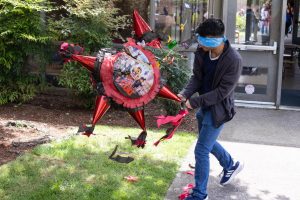
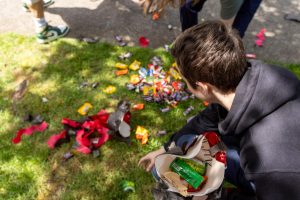
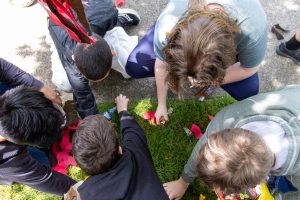
During the food fair, students had the opportunity to take a swing at — and collect candy from — several different piñatas.
-
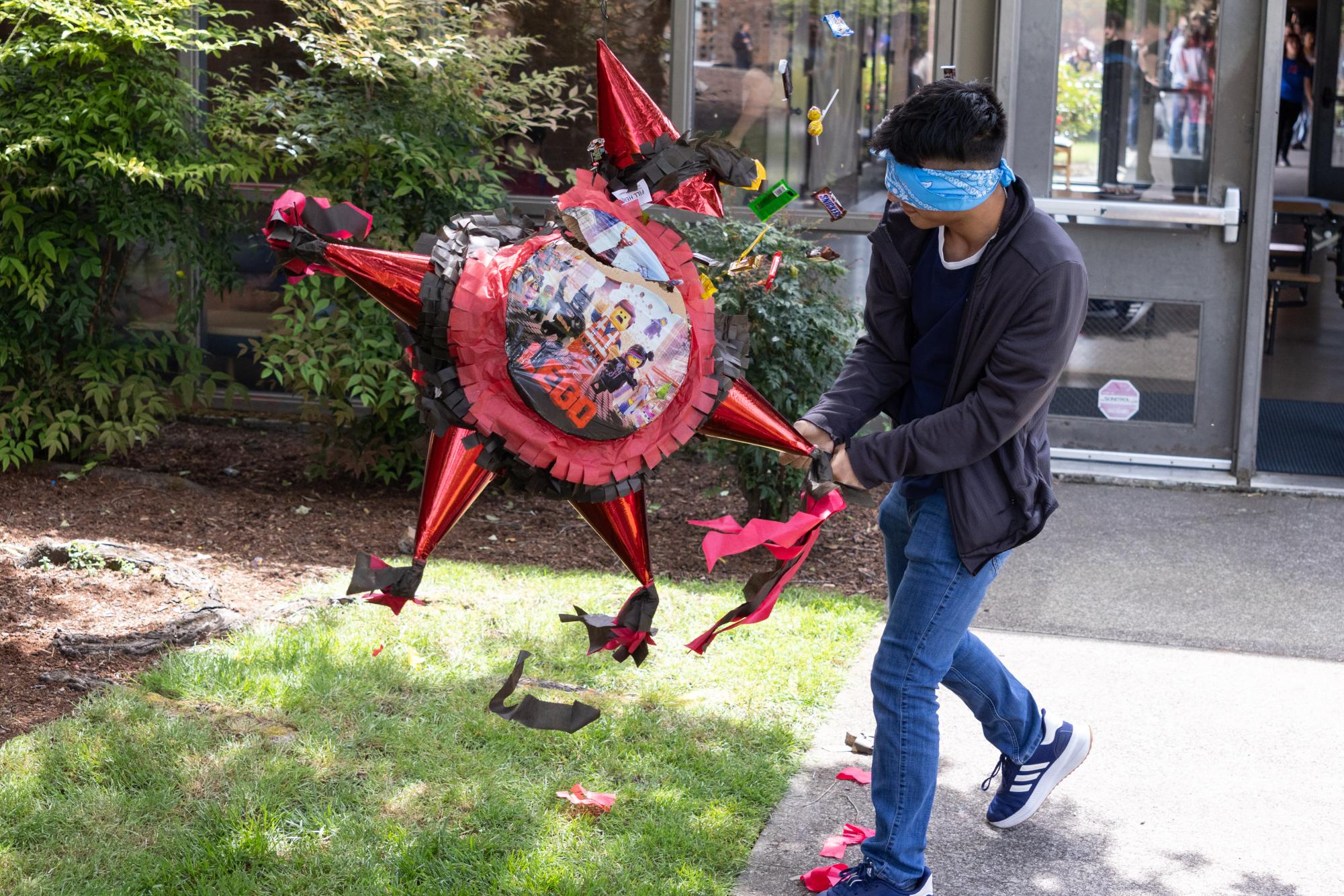
During the food fair, students had the opportunity to take a swing at — and collect candy from — several different piñatas set up in the Academic Courtyard.
-
During the food fair, students had the opportunity to take a swing at — and collect candy from — several different piñatas.
Bringing together established traditions as well as new activities, La Salle celebrated its fourth annual Roots Week, beginning on Monday, April 27 and concluding on Friday, May 1.
This year, Roots Week was centered around the Roots Walk assembly and the food fair, and also featured multiple lunchtime activities including a game of “Lotería” by the UNIDOS Club and introduced a new cornhole tournament.
The week also featured a modified schedule, with classes on Red days shortened by five minutes to allow for one lunch to be held every day except Monday.
Through the week’s events, Roots Week serves as a general expression of the broader community’s cultural roots, according to Director of Equity and Inclusion Mr. Mario Garza, who noted that it is important to recognize and understand the many diverse cultures found at the school and in United States at large.
“American culture is a hodgepodge of cultures from all around the world,” he said. “I think that’s what makes it unique, and that’s what makes it beautiful.”
Originally started in the 2023 spring semester by former Vice President of Student Life Mr. Aaron Hollingshead, Roots Week was inspired by a similar event hosted by Portland State University called the Roots Festival, according to Mr. Garza.
“The big thing is: roots are what ground you,” he said. “It was important to have an understanding of all the roots that make up our community, and also our roots as a Lasallian school.”
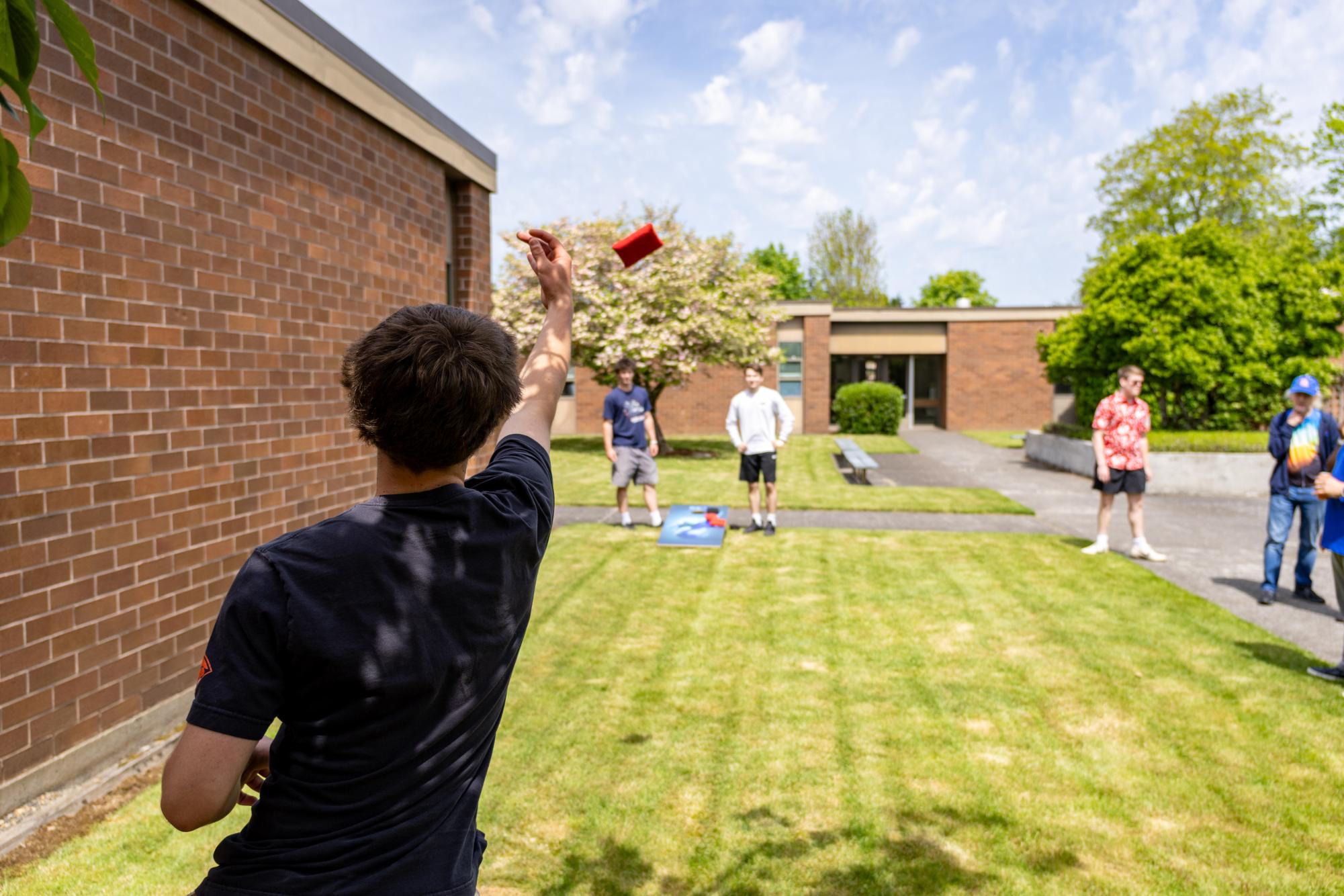
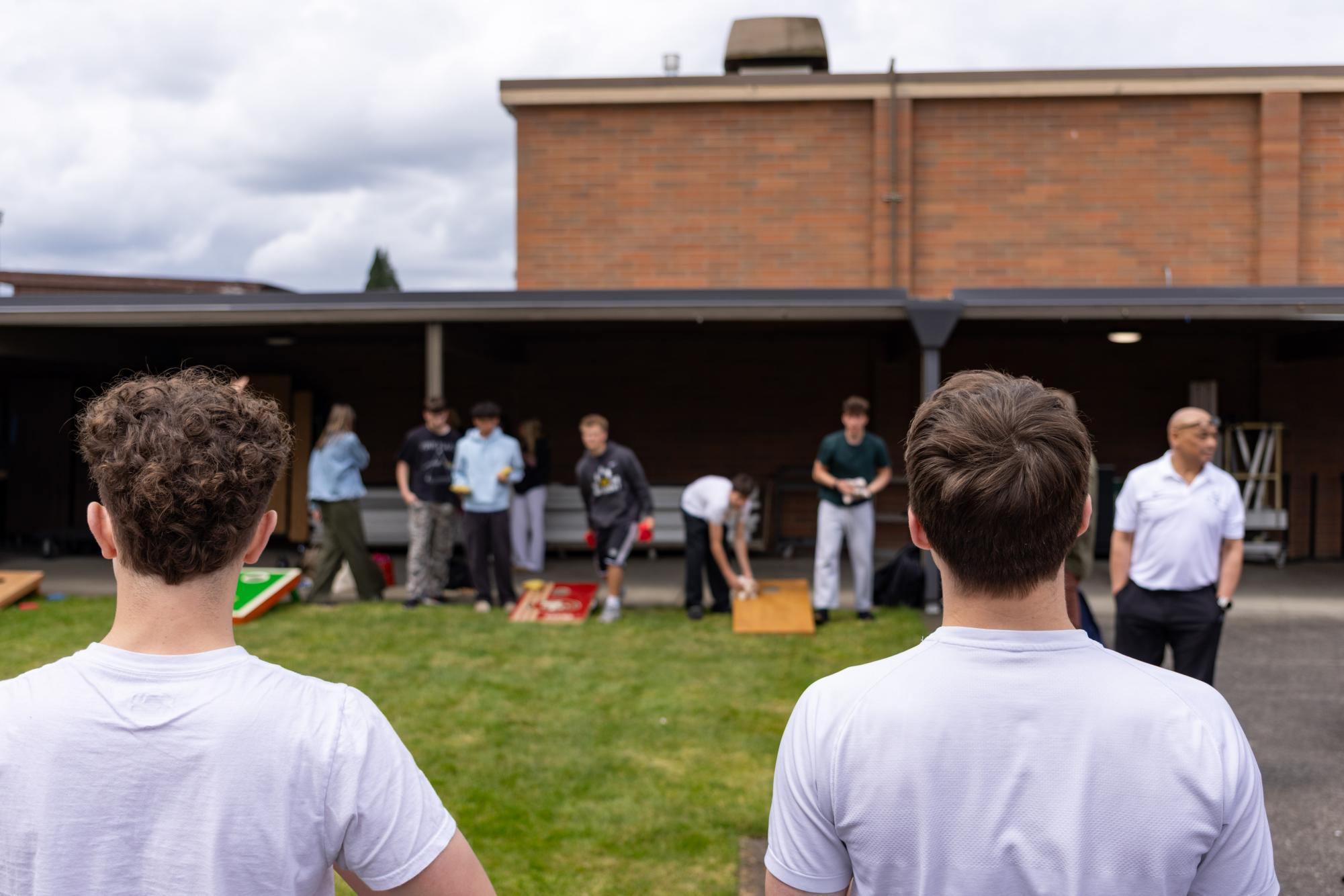
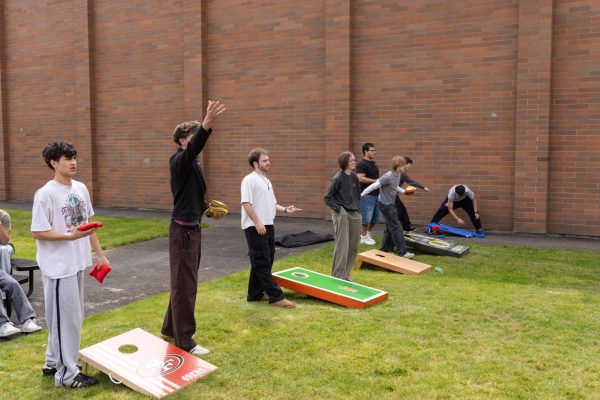
The week’s festivities started off early, with the opening round of the cornhole tournament taking place during one lunch Tuesday, April 28 in the Academic Courtyard.
According to Mr. Garza, who came up with the idea, the tournament was added to the event roster this year both to introduce a fun activity to brighten school spirits and a way to celebrate southwest Native American culture, from which the game is often believed to be derived.
The tournament was popular, Mr. Garza said, with 24 teams of two signing up to participate and many students in the courtyard eating lunch watching. He also noted that, because of its popularity, it will likely grow into an annual tradition.
Mr. Garza also described the competition as “friendly,” with the two champions — senior Declan O’Brien and junior Evan Hamlin — both receiving a Chick-fil-A gift card.
(Emmett Strackany)
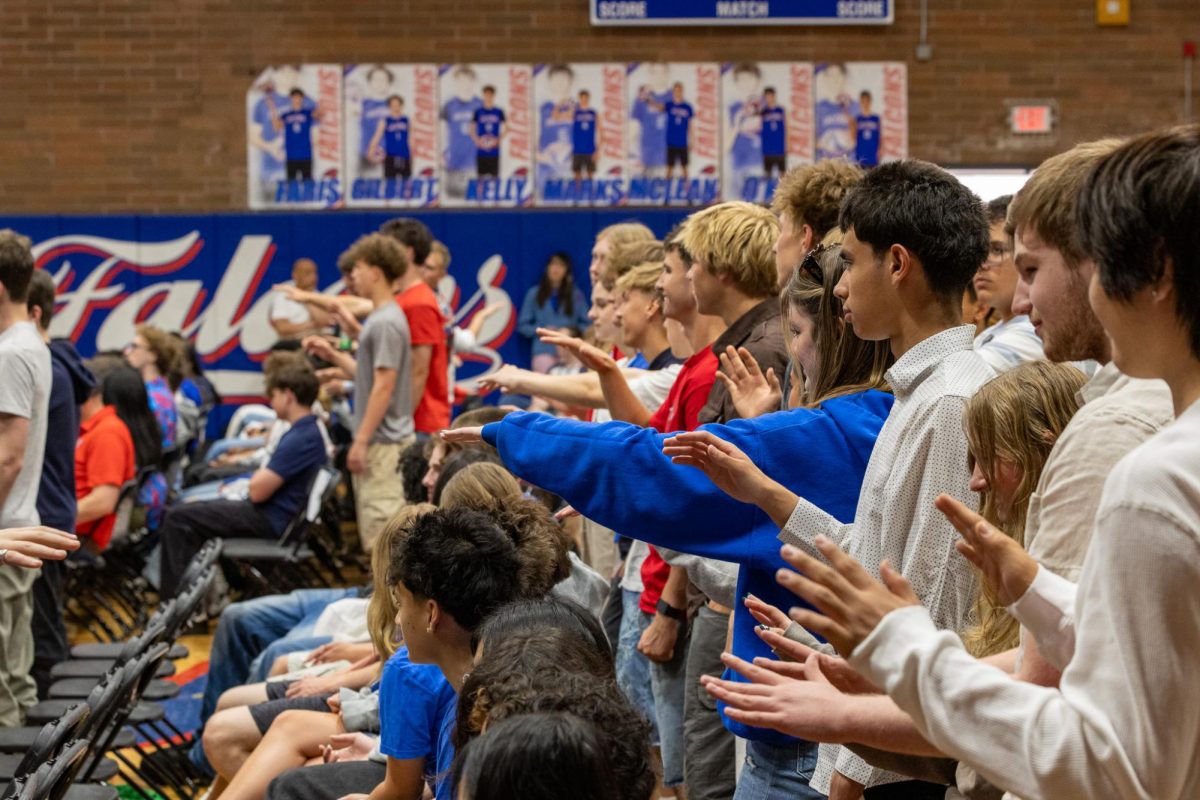
Another major Roots Week event was the Roots Walk assembly. The assembly featured multiple aspects besides just the Roots Walk including an Original Philippine Music performance, as well as a speech from both Mr. Garza and junior Bennett Okello.
The music, according to one of the performers, junior Isaiah Engelen, was meant to simulate reliving one’s wedding day, but it also highlights an important aspect of Filipino culture.
“Music is a huge part of Filipino culture, especially courting culture,” he said.
Engelen also participated in the Roots Walk, which consisted of many students garbed in various cultural attires. He wore a Barong Tagalog — a traditional formal attire for Filipino men. The shirt is very thin and stems from Spanish colonial eras, where men were made to wear thin clothing to ensure they could not hide any weapons. The outfit then evolved to become a cultural symbol, according to Engelen.
In his speech, Mr. Garza spoke about the reality of racism at La Salle, despite being a Catholic school rooted in core values.
In an interview, he said that racism has come up many times this school year.
“We haven’t done enough to hold people accountable with consequences,” he said. “My hope is that that’ll start changing.”
To make that change happen, Mr. Garza plans to implement initiatives to combat discrimination before it occurs. He aims to set the foundation with the next batch of freshmen that come in as well as educate current students on what is and is not acceptable.
“If you don’t talk about it and just expect something, then you’re probably not going to get what you expect,” he said.
Mr. Garza highlighted his belief that, in some ways, La Salle has failed to live up to its core values. School culture is not developed or caused by individuals but by a whole group, Mr. Garza said, and he is committed to making the schoolwide culture more inclusive.
“My goal is that every student on this campus — regardless of who they are and what their background is — feels like this is their home,” he said. “I think right now, that is not the case.”
However, he also noted that, even though there are areas for growth, La Salle spends more time celebrating diversity than other Catholic institutions.
Roots Week is an example of those celebrations, connecting to La Salle’s values of inclusion and respect for all persons, Mr. Garza said — specifically in regards to fully appreciating and embracing cultural diversity and not remaining blind to it.
“I think to respect a person, you need to respect everything about them, their family, their background, their traditions,” he said. “If not, it’s just really surface type stuff.”
In terms of the importance of Roots Week, Engelen said that he not only loves being able to express his own culture, but enjoys supporting other students doing the same.
“I think it just allows people with more diverse cultural backgrounds and minorities to have a voice, have a platform to express their culture and share it with other people.”
Mr. Garza also noted that while Roots Week may not have solved the discrimination problem at La Salle, students do look forward to and appreciate the week every year.
“Certainly there’s a lot of work to do on our campus, as there is in many high schools and in many organizations,” he said. “It’s hard to say there’s been a profound change, but I do think it’s a tradition that’s holding.”
In terms of broader celebrations and continuing to embrace cultural diversity, the school is open to commemorating culture in many different ways, not just through assemblies, but through whatever means students want, Mr. Garza said.
However, the presence of Roots Week and the celebrations that come with it are here to stay, according to Mr. Garza, even if some activities get added or removed.
“Every year that we’ve been here, we’ve done a few different things,” he said. “There’s been some constants, like the food fair and the assembly, [but] I would expect next year … it’ll be different.”
One potential idea that Mr. Garza has considered is having one day of the week — likely Wednesday — where students present workshops they have designed throughout the year, an idea he saw at St. Mary’s Academy.
“I would assume that if we did something like that, we would probably, say, connect it to roots and culture, without a lot of direction, to let students really have control over what they do,” he said.
To close off the week, La Salle put on its cultural staple, the food fair.
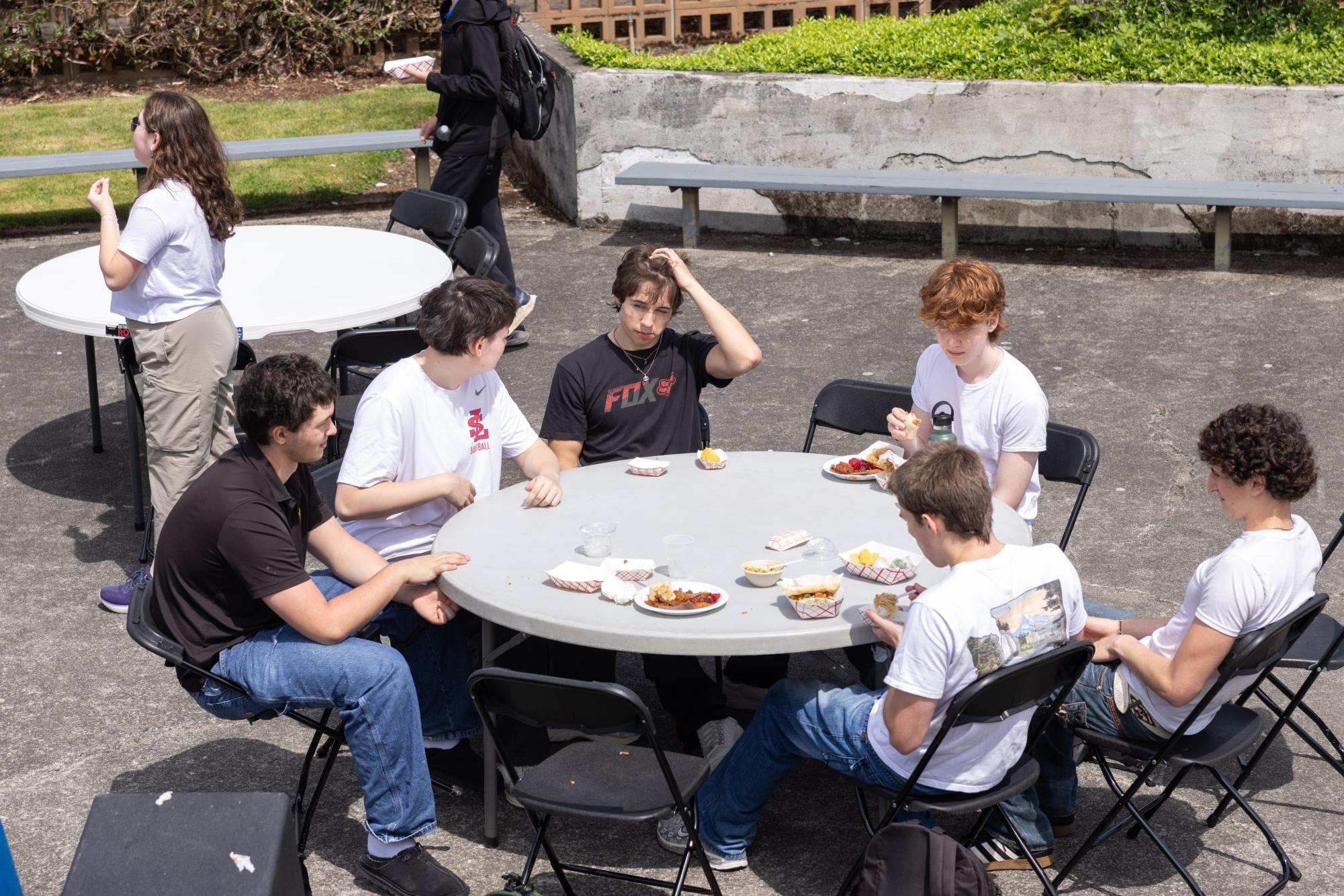
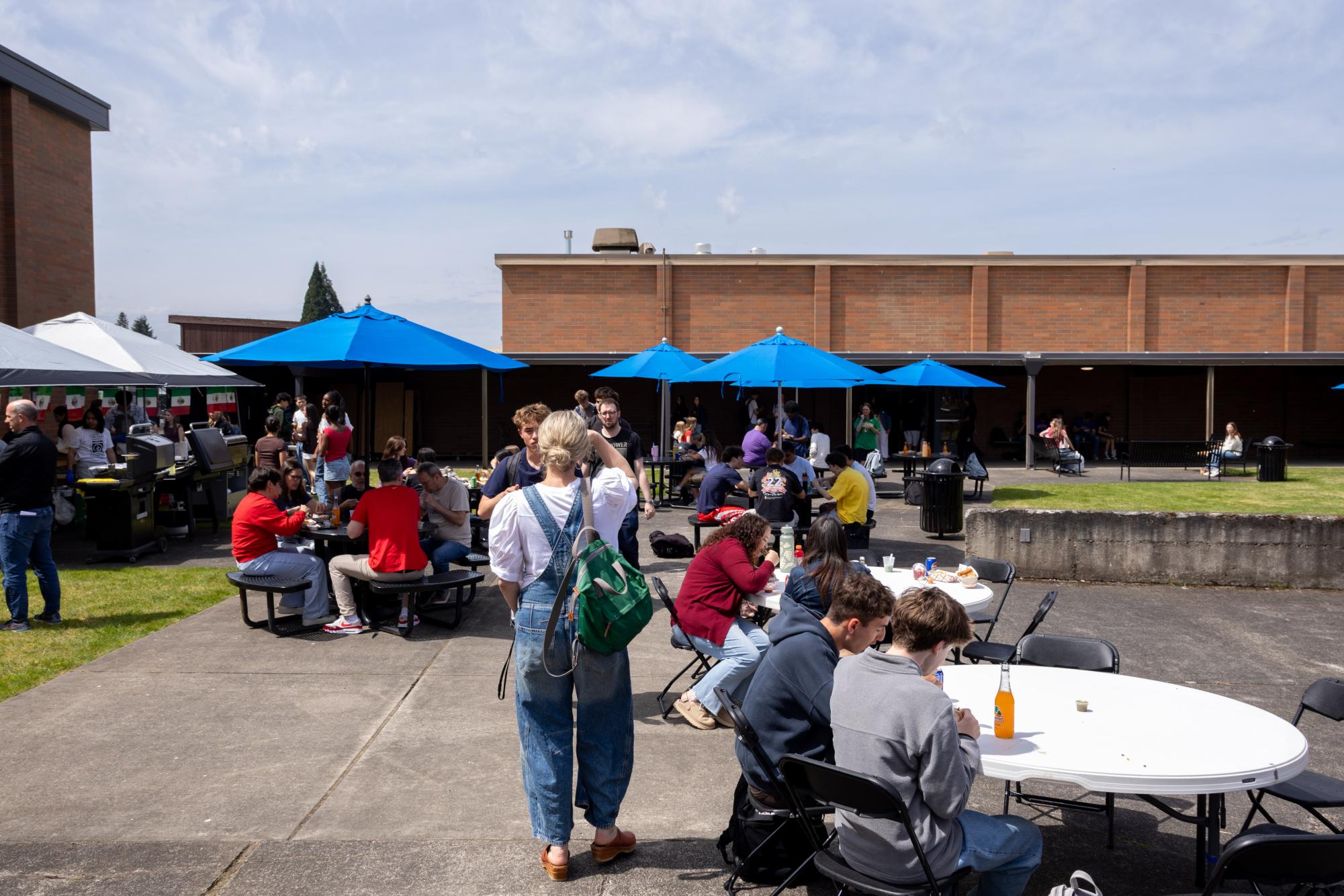
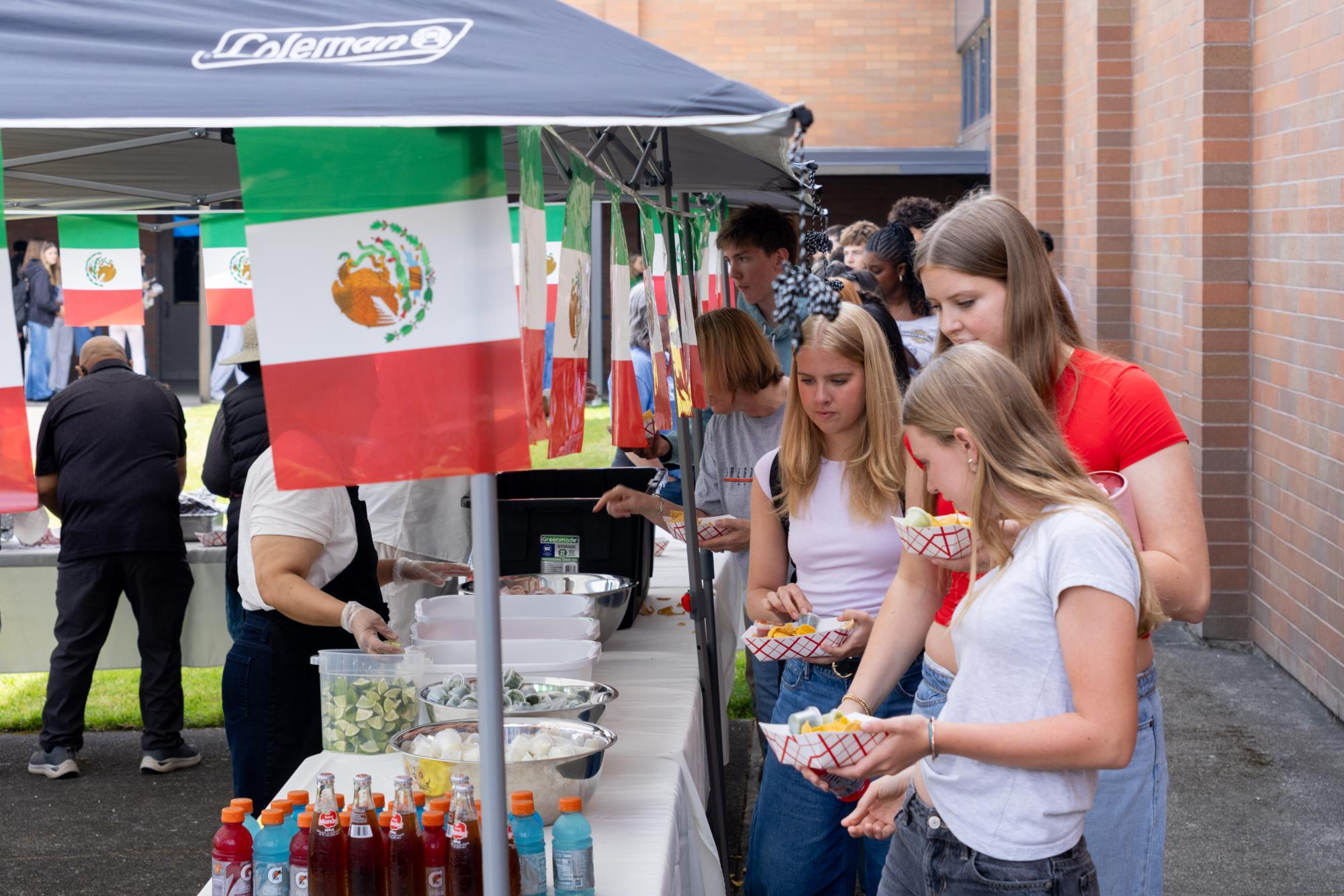
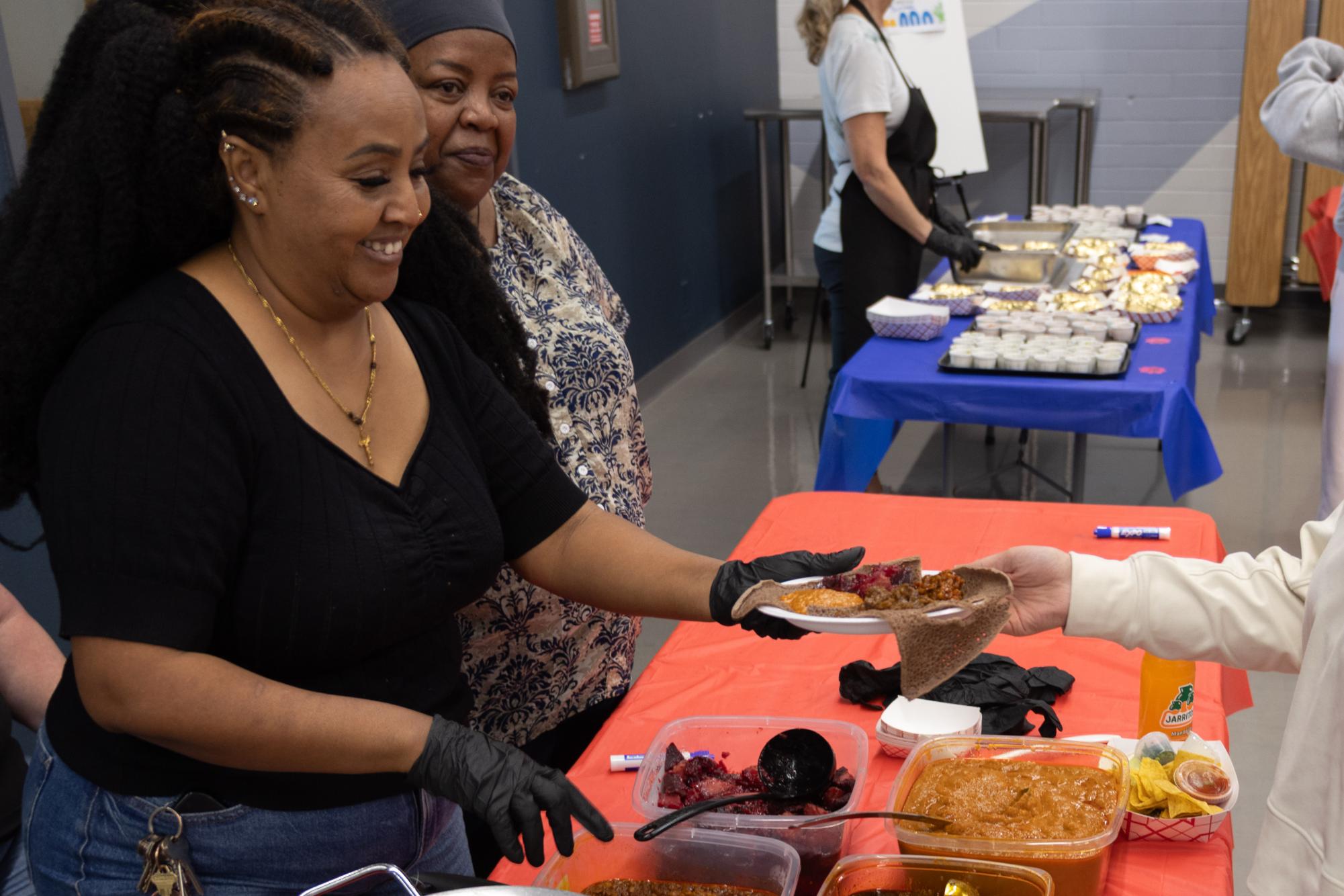
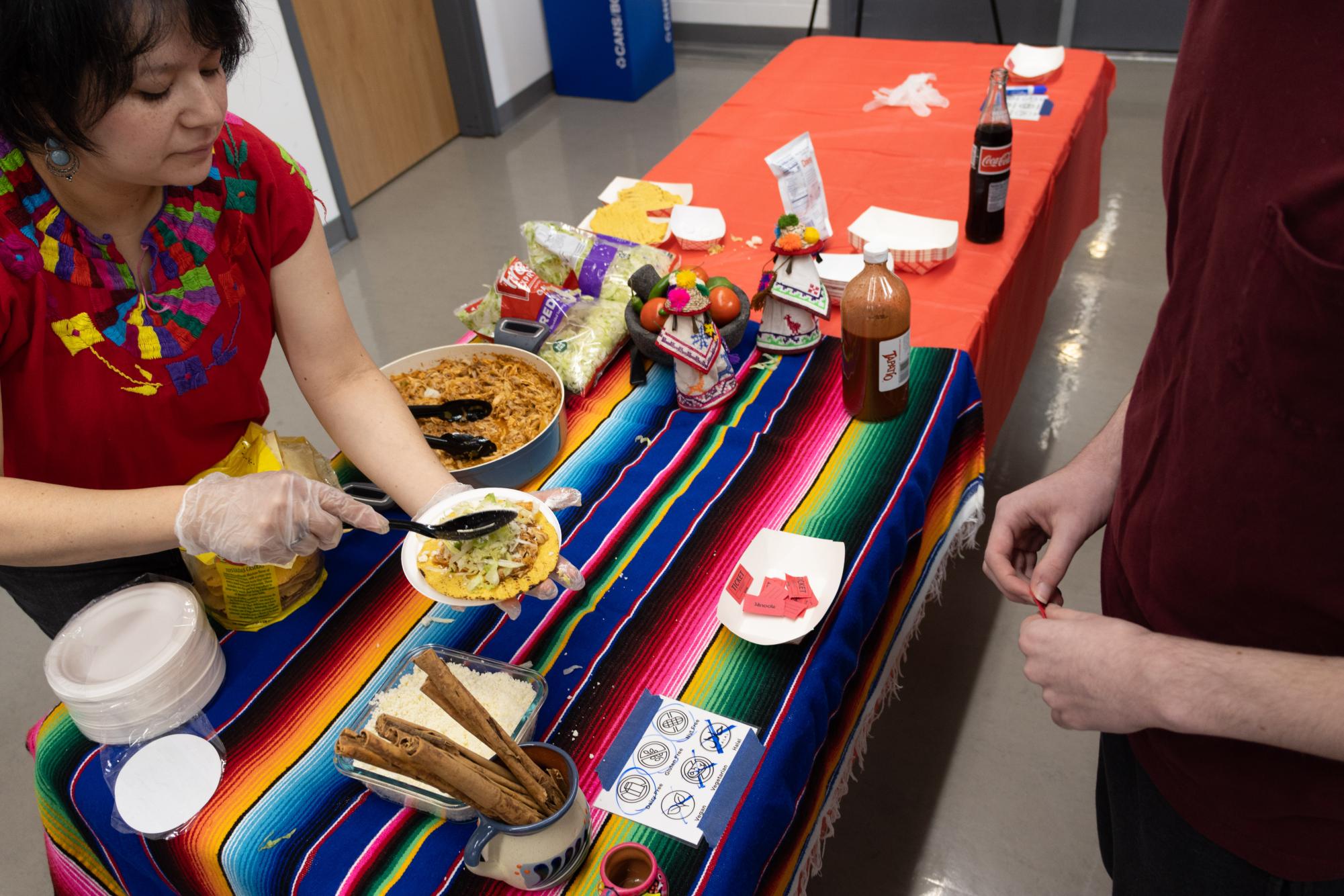
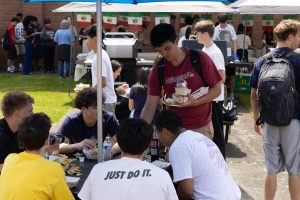
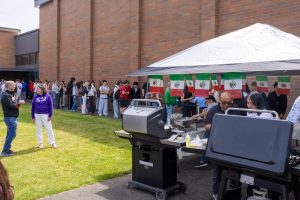
Around 30 families brought in food that connects to their roots, Mr. Garza said, leading to a cafeteria packed with students lining up to try various cultural dishes.
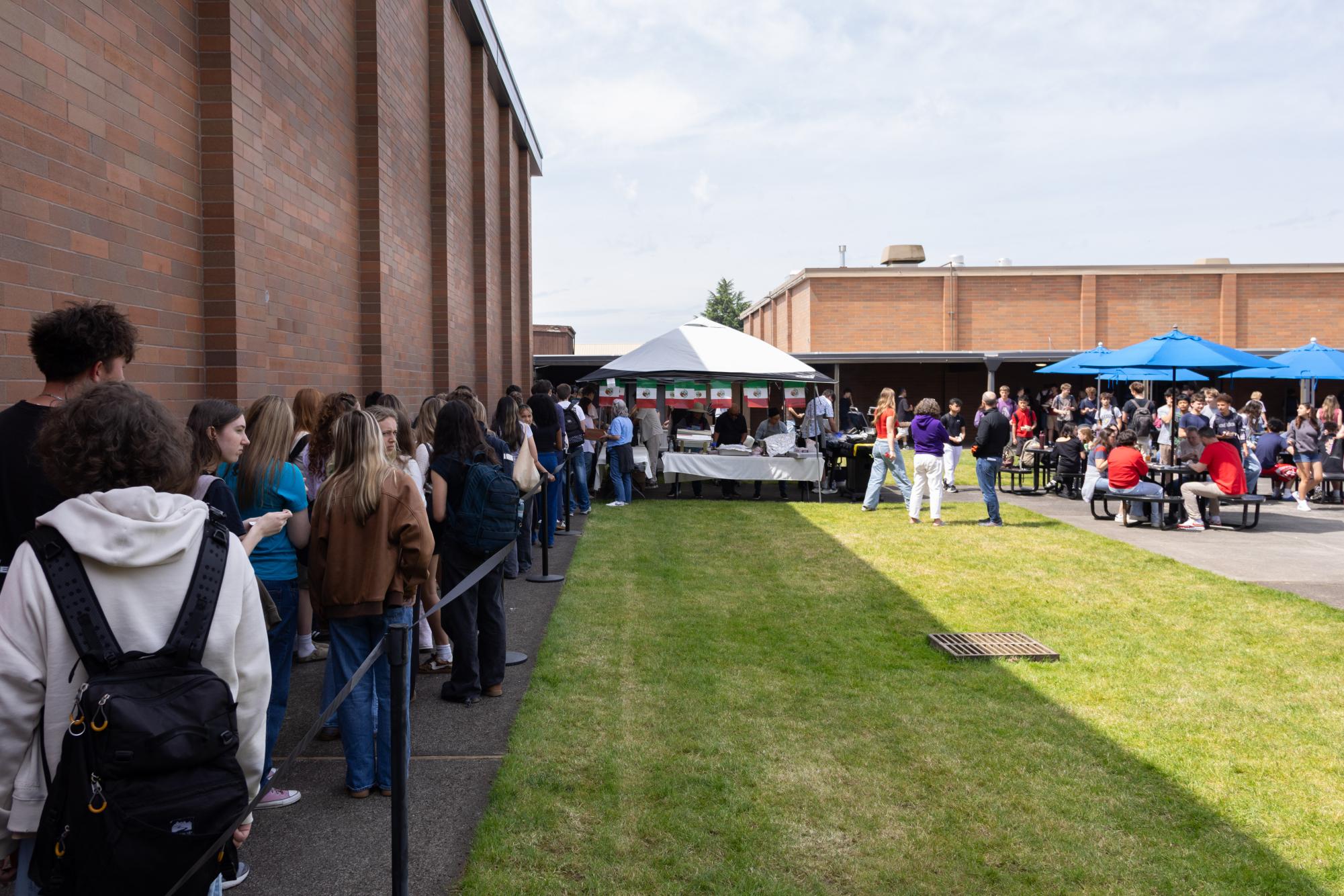
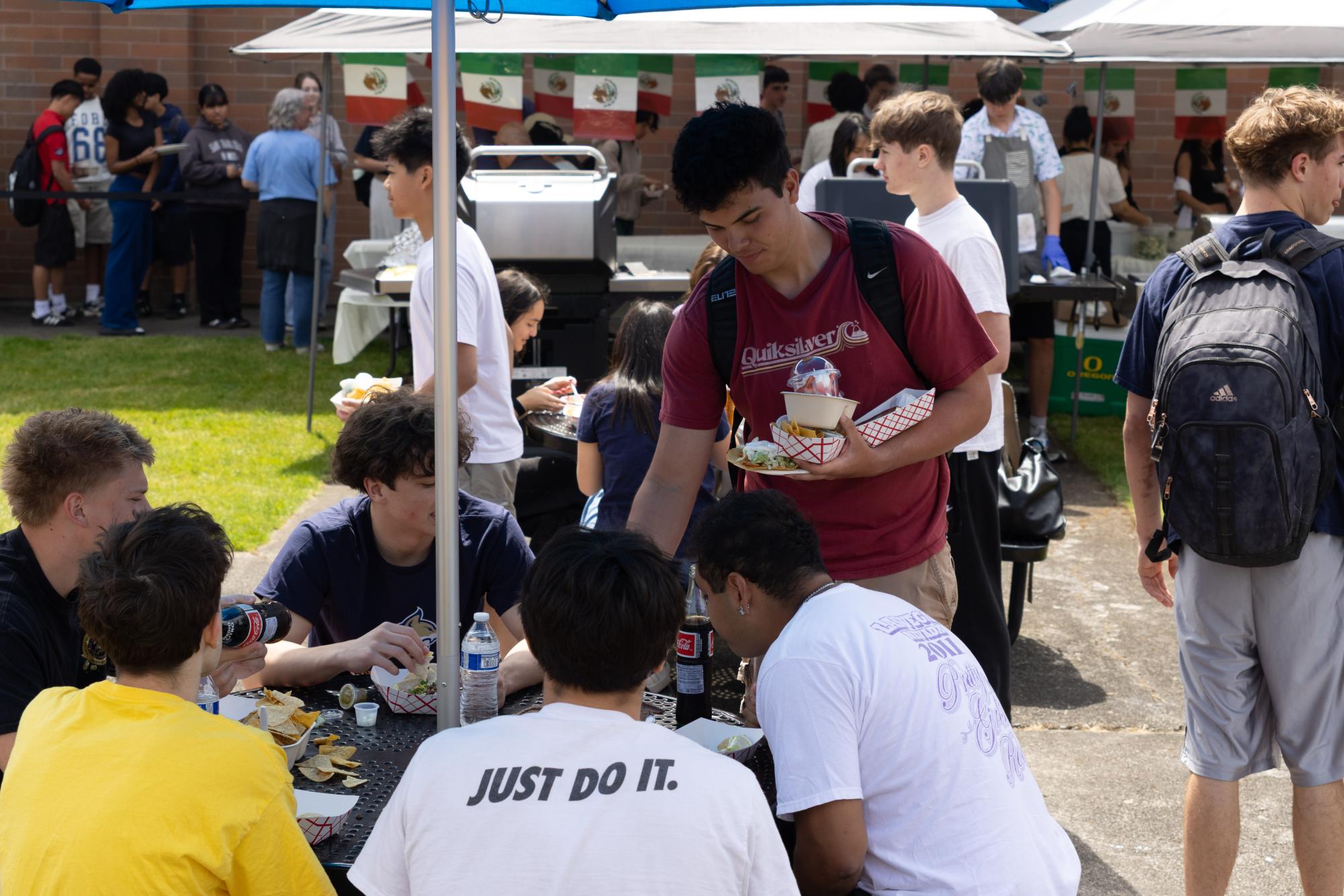
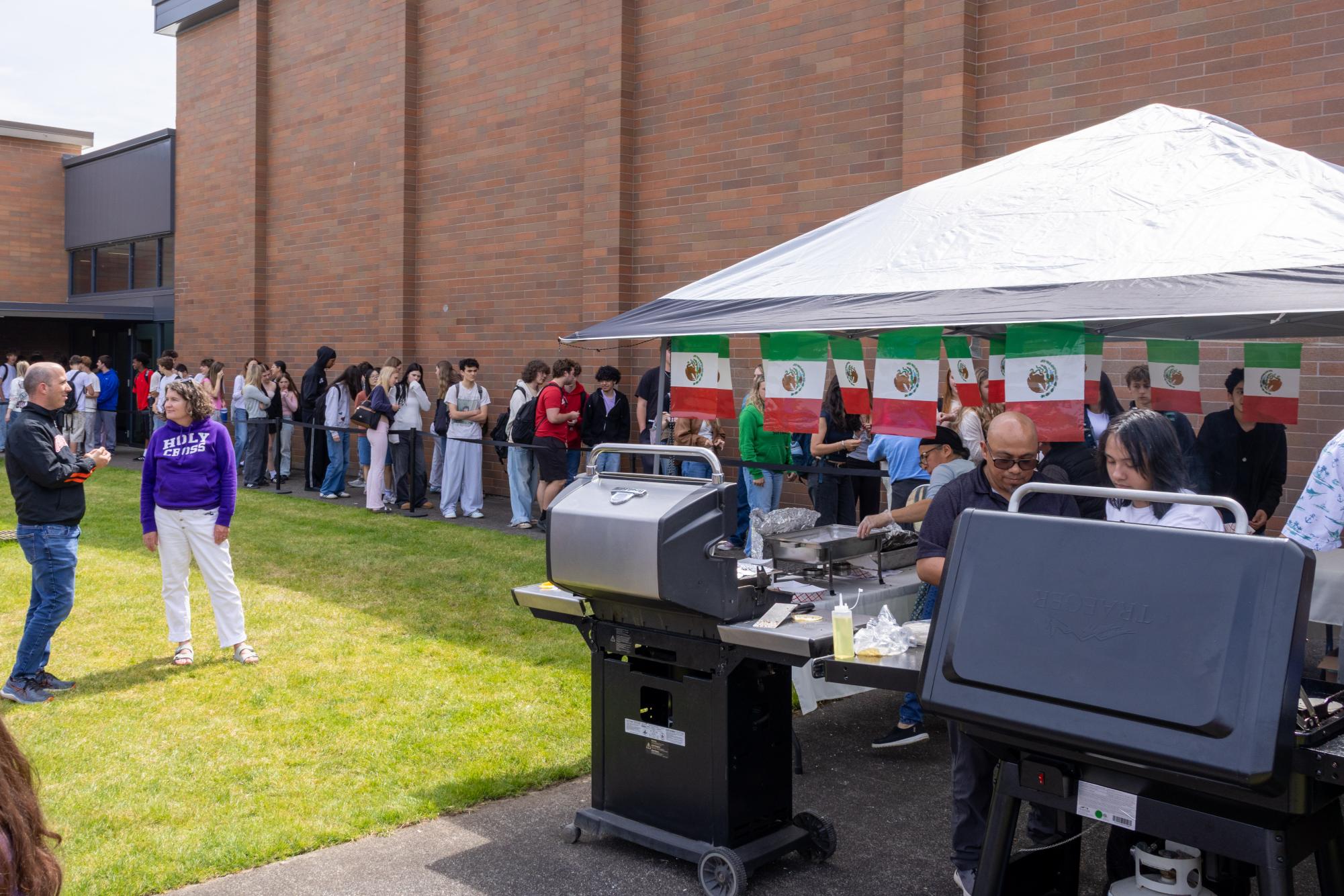
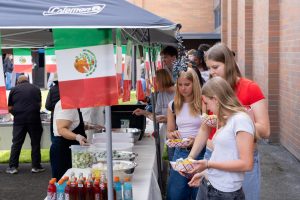
With lines extending from the stand all the way to the hallway doors, one such dish was served by the family of senior Raymond Nolasco Galicia, who set up a taco stand, adorned with Mexican flags, in the Cafeteria Courtyard.
Looking ahead to next year, Mr. Garza said the administration and leadership teams want to avoid being “handcuffed by tradition,” and that they are open to celebrating in many different ways — not just through assemblies, and not just doing things for the sake of convention.




Comments are moderated, and won't appear until they are approved. An email address is required, but won't be publicly displayed. The Falconer's complete comment policy can be viewed on our policies page.