

The idea of books has been traced back to around 3000 BCE and has developed exponentially since then, being a part of our everyday lives.
These books or scrolls were used for administrative and economic purposes, such as recording legal contracts, keeping track of trades, and dozens of other uses. The earliest “books” were clay tablets or scrolls made from papyrus — evolving over many years into what book pages are made of today, wood pulp.
Whether it’s for entertainment, enjoyment, or studying, books are widely helpful. While reading may not appeal to everyone, there are still many people who take pleasure in it.
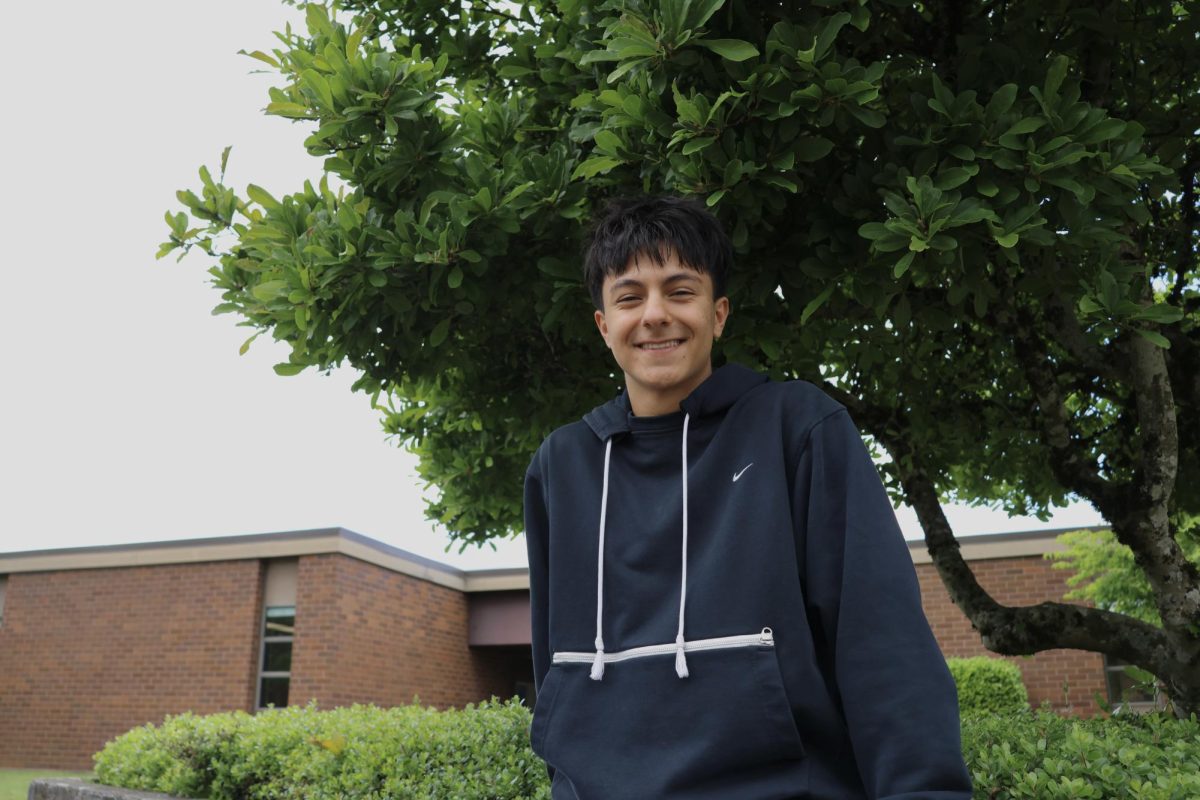
Freshman Henry Welsh is an example of that, having enjoyed reading his whole life. Welsh considers the practice a way to experience new things and be exposed to new environments, all from the comfort of his own home.
“[I love] the ability to explore other worlds from your bed,” he said. “I can just sit there in my bed, all cozy, and read a book about some nice, faraway, magical land.”
Literature can range from genres like romance — for example, the novel “My Favorite Color is Your Something Blue” by Eva Austin — to dystopian fiction, such as the novel “Divergent” by Veronica Roth.
Although many students aim to fit reading into their daily lives, the busy schedule of school can make it hard.
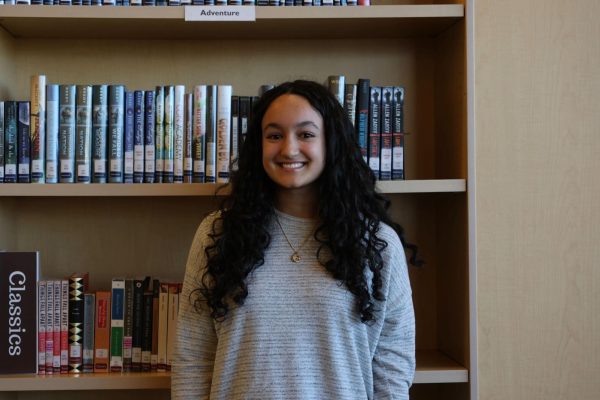
Freshman Isla Glasgow experiences a common struggle for students who enjoy reading during the school year. “Ever since the school year started, it’s been not a lot,” she said, expressing how homework and assignments take away free time, which often involves reading books.
Beyond hindering students’ reading time, school can also alter their perspective or relationship with reading in general.
Senior Adina Dominitz believes that students usually steer away from reading when it’s assigned to them, transforming from a relaxing activity to yet another monotonous task.
“They don’t like the books they have to read in school, they think of reading as a bad thing,” she said.
In addition to this, senior Sawyer Kerrigan expressed his opinions on why some people don’t enjoy reading, it all takes the right book for the right person.
“I think people haven’t found the books they like to read,” he said. “I just recommend people to try it, you know — try something that you’d be interested in.”
“Reading is like a little movie that you can take anywhere you go,” Glasgow said, expressing how reading can be more than just learning if you truly enjoy the material.
For many students, reading itself isn’t always the problem, it’s the mindset they have around it. A single story can change this, and make reading feel more like an escape than another assignment that’s due.
These stories aren’t always found alone, a recommendation from a friend can introduce a story that you would have never picked on your own — but it ends up being the book that finally makes that change.
So, take a look at some of your peers’ favorite books. You might just find a new favorite of your own.





![According to junior Katie Liu, Blue days are superior to Red days. “[Because of one lunch], I see that communities come together, there is more time for clubs to meet; I see people hang out with their friends that sometimes they're separated from because [of] A lunch or B lunch, and opportunity for more people to interact that usually wouldn't happen,” she said.](https://lasallefalconer.com/wp-content/uploads/2026/06/405A7815-1200x800.jpg)


Comments are moderated, and won't appear until they are approved. An email address is required, but won't be publicly displayed. The Falconer's complete comment policy can be viewed on our policies page.